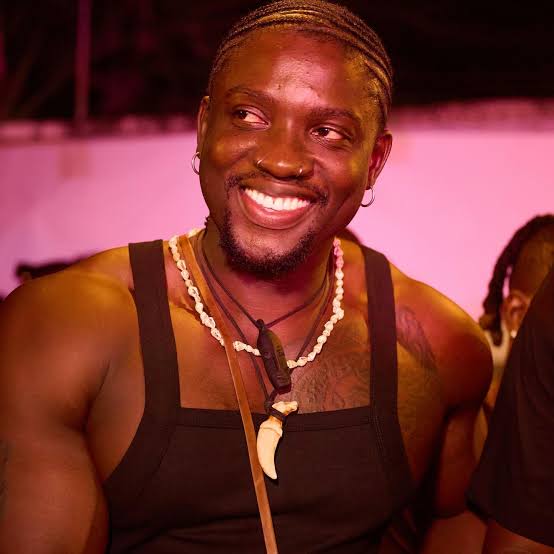
Social media activist VeryDarkMan has ignited fresh debate with claims of a deliberate, incremental effort to shift Nigeria’s religious landscape toward greater Islamic influence. The outspoken critic, popularly known as VDM, described the process as a slow-moving strategy woven into policies, appointments, and cultural adjustments rather than overt confrontation. His intervention comes amid persistent questions about religious equity in a nation long defined by its Christian-Muslim balance and constitutional secularism.
VDM argues that the changes are subtle enough to evade widespread alarm. He points to what he sees as patterns in governance decisions, institutional appointments, and public discourse that cumulatively favour one faith over the country’s plural identity. According to him, the absence of strong pushback from political and religious leaders has allowed these shifts to normalise over time.
Nigeria’s religious demographics make such conversations particularly sensitive. The country is home to nearly equal populations of Muslims and Christians, with indigenous beliefs still practised in parts of the Middle Belt and South. The 1999 Constitution establishes Nigeria as a secular state, prohibiting the adoption of any religion as state religion. Yet, the implementation of Sharia criminal law in 12 northern states in the early 2000s under governors like Ahmed Sani Yerima of Zamfara set a precedent for faith-based legal pluralism that continues to shape national debates.
Critics of VDM’s position often dismiss such warnings as divisive or lacking concrete evidence. Supporters, however, cite specific grievances: alleged lopsided appointments in federal agencies, perceived leniency toward certain religious agitations, and the quiet expansion of Islamic institutions in traditionally mixed or Christian-leaning areas. They also reference recurring interfaith tensions, including farmer-herder conflicts in the Middle Belt that sometimes acquire religious undertones, and the lingering trauma of Boko Haram insurgency and banditry in the Northeast.
Historical Patterns and Current Realities
Religious politics in Nigeria did not begin with the current generation. The return to civilian rule in 1999 coincided with the Sharia debate, which triggered protests and constitutional challenges. Subsequent administrations have navigated accusations of religious favouritism, whether under Muslim or Christian presidents. Economic hardship, youth unemployment, and weak institutions often amplify these fault lines, turning policy disagreements into narratives of marginalisation.
VDM’s latest commentary taps into a broader undercurrent of unease among segments of the Christian community and southern populations. Issues such as the alleged marginalisation in security appointments, the management of religious pilgrimages funded by public resources, and the handling of blasphemy-related violence frequently surface in public discourse. At the same time, Muslim leaders have raised their own concerns about stereotypes, insecurity affecting predominantly Muslim regions, and what they describe as attempts to portray Islam as inherently incompatible with national unity.
In Nigeria’s current context, these tensions matter because they intersect with governance failures. With inflation biting hard, insecurity persisting, and youth restiveness growing, religious identity often becomes a rallying point for expressing deeper frustrations about equity, justice, and access to power. The country’s federal character principle, designed to ensure balanced representation, is frequently tested by perceptions of imbalance in key institutions.
Implications for National Cohesion
Observers note that sustained claims of Islamization, whether substantiated or not, risk deepening polarisation in an already fragile multi-religious society. They can erode trust in state institutions and complicate efforts at national integration. Conversely, ignoring genuine concerns about fairness in appointments, education, and law enforcement could fuel resentment and reduce the social contract between citizens and government.
Analysts point out that Nigeria’s strength lies in its diversity when managed with equity and justice. Religious leaders from both faiths have historically played roles in calming tensions during crises, suggesting that dialogue platforms rather than confrontation may offer pathways forward. The Independent National Electoral Commission and other institutions continue to emphasise secular governance, yet public confidence depends on visible adherence to these principles.
As Nigeria grapples with economic reforms and security challenges, the religious dimension remains a critical underlay. VeryDarkMan’s intervention, though provocative, highlights the need for transparent policies that reassure all citizens of their place in the Nigerian project, irrespective of faith. The country’s ability to manage its plural identities will likely shape its stability and progress in the coming years.
We’ve got the edge. Get real-time reports, breaking scoops, and exclusive angles delivered straight to your phone. Don’t settle for stale news. Join NaijaChoice NEWS on WhatsApp for 24/7 updates →
Join Our WhatsApp Channel