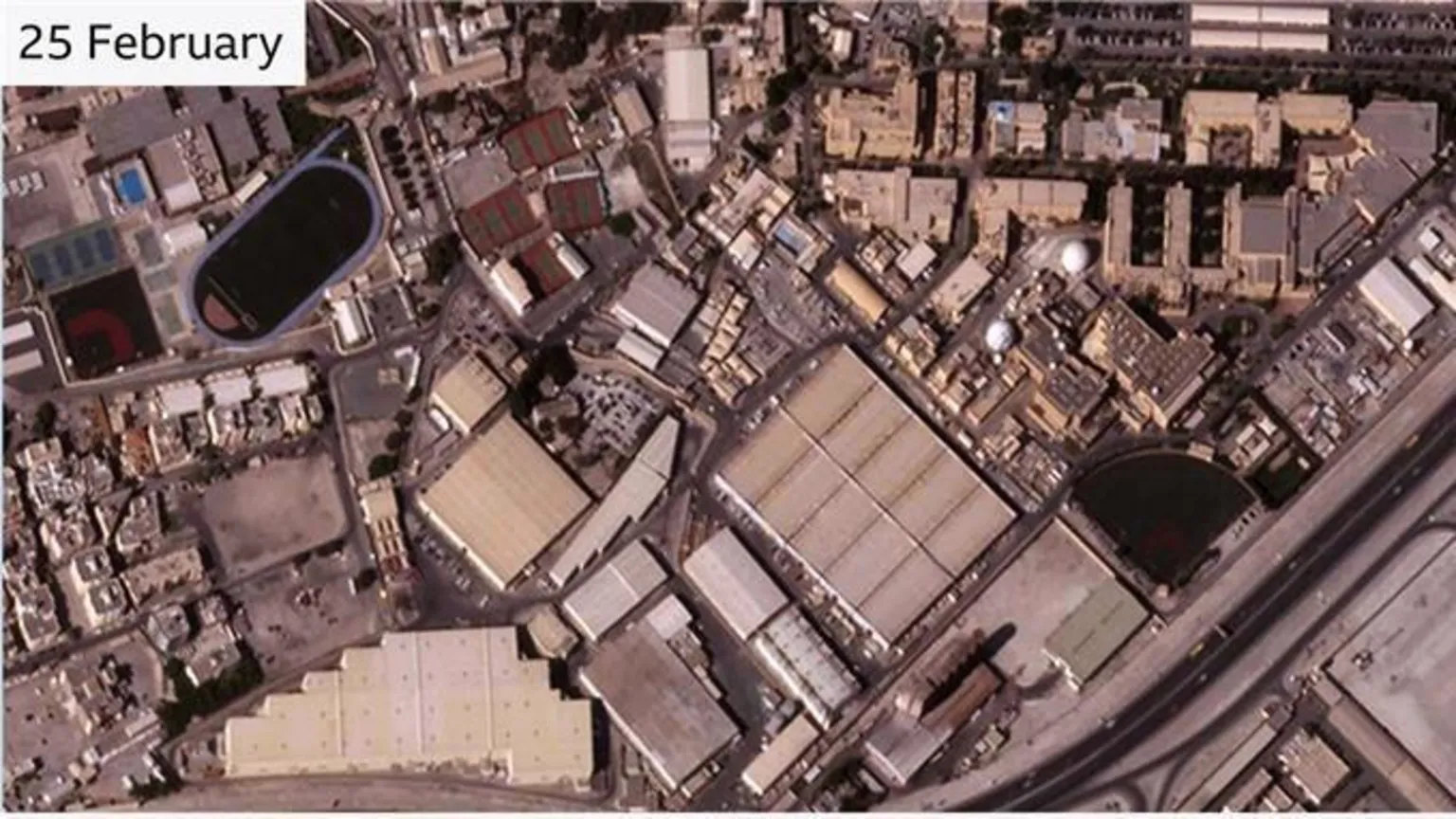
Iranian retaliatory strikes on United States military installations across the Middle East have caused an estimated $800 million in damages within the first two weeks of the conflict.
A new analysis by the Centre for Strategic and International Studies (CSIS) and BBC Verify shows much of the destruction came from Iran’s initial response after the US and Israel launched operations on February 28.
The figure, higher than earlier reports, highlights the steep financial toll on American forces as fighting continues.
Mark Cancian, a senior CSIS adviser and co-author of the study, described the damage to US bases as underreported. He noted that full details may only emerge later as more information surfaces.
Iran targeted air-defence and satellite systems in countries including Jordan, the United Arab Emirates, Kuwait, Qatar and Saudi Arabia. A major blow came from a direct hit on a THAAD radar system in Jordan, valued at around $485 million alone.
Additional strikes damaged buildings and infrastructure on US-linked bases, adding another $310 million to the bill. Satellite imagery confirmed Iran hit at least three air bases multiple times, including Ali Al-Salim in Kuwait, Al-Udeid in Qatar and Prince Sultan in Saudi Arabia.
The US has lost 13 service members since President Donald Trump joined Israel in the campaign against Iran’s nuclear programme and proxy networks.
Human rights monitors put the overall death toll near 3,200, including over 1,400 civilians.
Trump insisted on Friday that the operation is proceeding well and will achieve its goals of dismantling Iran’s nuclear capabilities and curbing its regional influence.
Yet the war has disrupted global energy flows, with Iran’s near-blockade of the Strait of Hormuz triggering sharp rises in crude prices.
For Nigeria, the development carries mixed fortunes. Higher international oil prices could swell revenue from Bonny Light exports and ease foreign exchange pressures.
However, experts warn of knock-on effects at home, including higher pump prices for petrol and diesel, which could fuel inflation and strain households already battling living costs.
The Centre for the Promotion of Private Enterprises has flagged risks to Nigeria’s economic recovery if the conflict drags on and dampens global demand.
Nigeria’s Ministry of Foreign Affairs has urged all parties to exercise restraint and return to dialogue, stressing the need to protect civilians and regional stability.
As NaijaChoice News monitors developments, the escalating costs to Washington underscore how quickly this conflict is reshaping both military and economic realities worldwide.
The Pentagon is already seeking an extra $200 billion in funding, with Defence Secretary Pete Hegseth indicating the amount could rise further.
Analysts say the damage to US radar and communication systems forced redeployments, including THAAD units from South Korea, while full repairs may take years.
With uncertainty hanging over the war’s duration and possible ground involvement, markets remain on edge – and Nigeria stands ready to play its part in stabilising global energy supplies if called upon.
We’ve got the edge. Get real-time reports, breaking scoops, and exclusive angles delivered straight to your phone. Don’t settle for stale news. Join NaijaChoice NEWS on WhatsApp for 24/7 updates →
Join Our WhatsApp Channel