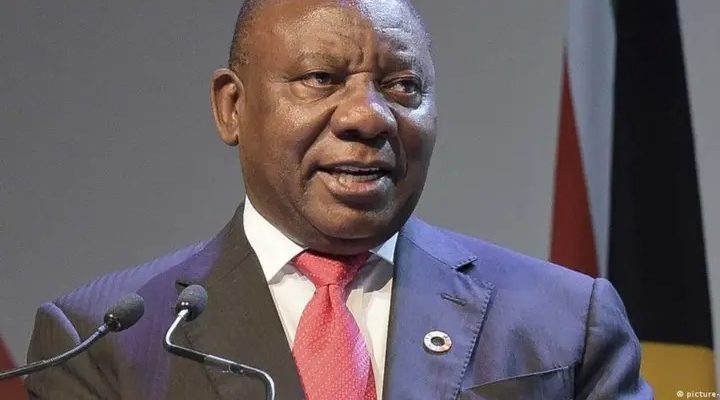
Ghana’s Refusal of Cyril Ramaphosa’s Planned State Visit Highlights Deepening Rift Over Xenophobic Attacks in South Africa.
Accra has declined a request for a state visit by South African President Cyril Ramaphosa, scheduled for early August, citing persistent xenophobic violence targeting foreign nationals, including Ghanaians. Ghanaian officials stress that the safety and dignity of their citizens remain paramount, insisting Pretoria must demonstrate concrete measures to protect migrants before high-level engagements can resume.
The decision, confirmed by sources in both Accra and Pretoria, reflects mounting frustration after the killing of 40-year-old Ghanaian tailor Bashiru Isak on June 30 during anti-foreigner protests. While Ghana links the incident to xenophobic attacks, South African authorities have described it as a robbery unrelated to the demonstrations, with no protest-related deaths officially reported. This disagreement has strained bilateral ties.
Ghana recently repatriated around 1,000 of its nationals amid escalating tensions from May and June protests, which involved looting, assaults, and harassment of African migrants. Officials in Accra fear public backlash and potential protests during any visit while emotions run high, prioritizing citizen protection over diplomatic optics.
This development echoes a long pattern of xenophobic outbursts in South Africa. Major waves, such as the 2008 attacks that killed at least 62 people and displaced over 100,000, and subsequent surges in 2015 and 2019, have repeatedly targeted migrants from Nigeria, Ghana, Zimbabwe, Mozambique, and other African nations. Perpetrators often blame foreigners for unemployment, crime, and pressure on public services in a country grappling with over 30% joblessness.
For Nigeria, the story carries particular resonance. Nigerians have frequently been among the hardest hit, prompting repatriation flights and strong diplomatic protests in past episodes. The current wave has again forced many to flee, underscoring vulnerabilities for West African communities in South Africa’s economy, where migrants often fill roles in trade, services, and informal sectors. Regional bodies like the African Union and ECOWAS have long called for stronger protections, yet recurring violence exposes gaps in continental solidarity.
Key figures illustrate the stakes. President Ramaphosa leads a nation balancing post-apartheid ideals of Pan-Africanism with domestic populist pressures. In Ghana, the government under its leadership has taken a firm stance, with Foreign Minister Samuel Okudzeto Ablakwa previously summoning South Africa’s envoy over similar incidents. These actions signal a shift from quiet diplomacy toward public accountability.
The refusal underscores broader challenges in intra-African relations. Trade and investment ties between Ghana and South Africa, including potential cooperation in energy, mining, and infrastructure, now face hurdles. It also amplifies calls for South Africa to address root causes—such as inequality, service delivery failures, and integration policies—while migrant-sending countries strengthen consular support and economic opportunities at home.
Deeper implications point to the fragility of trust within the continent. Without sustained efforts to curb violence and ensure accountability, such incidents risk eroding the spirit of unity that underpins forums like the AU. Ghana’s position sets a precedent that high-level visits cannot proceed amid unresolved threats to citizens, potentially influencing how other nations approach engagements with Pretoria.
As African economies seek deeper integration through initiatives like the AfCFTA, episodes like this remind leaders that people-centered security remains foundational to any meaningful partnership. Nigeria and fellow West African states will be watching closely how Pretoria responds.
We’ve got the edge. Get real-time reports, breaking scoops, and exclusive angles delivered straight to your phone. Don’t settle for stale news. Join NaijaChoice NEWS on WhatsApp for 24/7 updates →
Join Our WhatsApp Channel