Nigeria’s domestic aviation sector is facing severe strain as airlines battle an unprecedented surge in the cost of aviation fuel, Jet A1, pushing many carriers toward operational collapse.
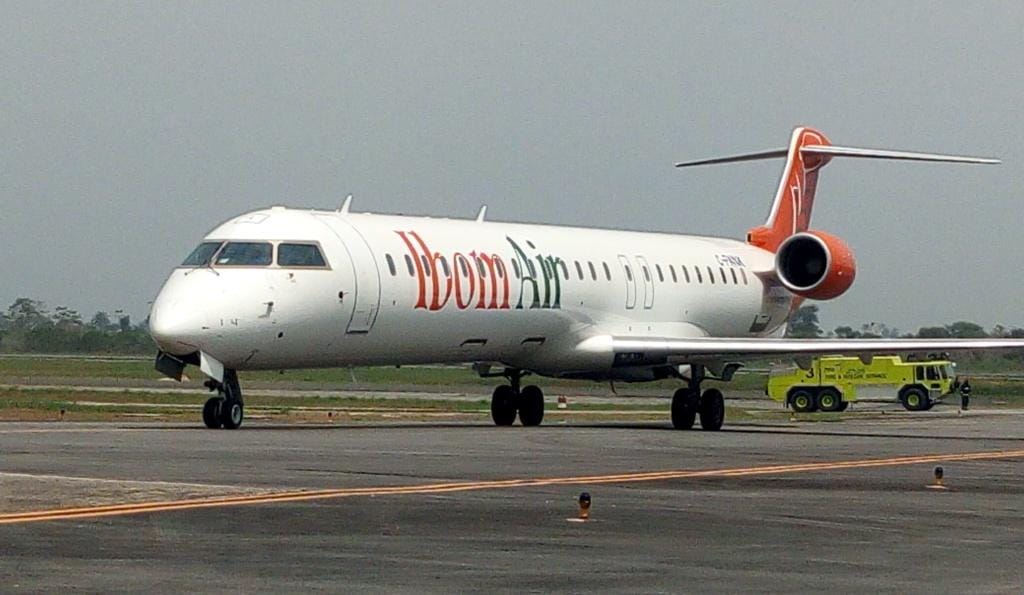
Ibom Air has issued a strong warning that the situation has become unsustainable. The airline disclosed that the cost of fueling a single flight has skyrocketed from an average of N2.1 million in January to approximately N7.6 million as of April 26 — a more than 350 percent increase in just seven weeks.
The carrier, which operates one of the most fuel-efficient fleets in the domestic market, expressed bafflement at the development, especially as Dangote Refinery supplies 95 percent or more of the aviation fuel consumed in the country.
In a statement signed by its Group Manager, Marketing and Communication, Aniekan Essienette, Ibom Air said: “The fuel price situation is an unprecedented crisis for Nigeria’s domestic airlines. At Ibom Air, the cost of fueling our aircraft has more than tripled between January and today. From an average of N2.1m per flight in January, as at today, the 26th of April, we are paying approximately N7.6m to fuel every flight. This is a more than 350% increase since the beginning of March, a space of just 7 weeks!”
The statement further noted that competitive pressures and patriotism have prevented airlines from passing the full cost to passengers through fare increases. As a result, carriers have absorbed heavy losses for nearly two months, hoping for a quick resolution that has not materialised.
“At this point, domestic airlines are baffled at why the price of aviation fuel in Nigeria has ballooned to this level, way above the rest of the world, while the fuel marketers obtain 95% or more of their aviation fuel from Dangote Refinery,” the statement added.
The crisis, which has triggered widespread flight delays, rescheduling, and cancellations across major airports, is linked to the escalation of the US-Israel conflict with Iran that drove up global crude oil prices. In Nigeria, Jet A1 prices reportedly jumped from about N900 per litre at the end of February to as high as N3,300 per litre in recent weeks.
NaijaChoice News gathered that apart from Ibom Air, most domestic carriers are contending with the same challenges. The Airline Operators of Nigeria (AON) had earlier issued a notice threatening to suspend operations from April 20 if the situation remained unresolved. Although a total shutdown was averted for now, feelers indicate that several airlines may be forced to significantly reduce capacity or shut down routes this week as losses mount.
Ibom Air warned that it may have no choice but to take “ameliorating actions” in the coming days, including reducing flight frequency, to remain viable. “We also note that, if this situation persists much longer, airlines will not be able to continue operating just to pay for fuel and nothing else,” the statement stressed.
The airline appealed directly to fuel marketers to urgently review their pricing structure to save the domestic aviation industry.
Industry stakeholders fear that without swift intervention by the Federal Government and relevant agencies, the ripple effects could include higher airfares, job losses, reduced connectivity, and serious setbacks to business and tourism across the country.
As the situation remains fluid, passengers have been advised to confirm flight status with their airlines before heading to the airports.
We’ve got the edge. Get real-time reports, breaking scoops, and exclusive angles delivered straight to your phone. Don’t settle for stale news. Join NaijaChoice NEWS on WhatsApp for 24/7 updates →
Join Our WhatsApp Channel