The Peoples Democratic Party (PDP) has shrunk to just two governors in Nigeria’s 36 states, a far cry from its days as the country’s undisputed political giant.
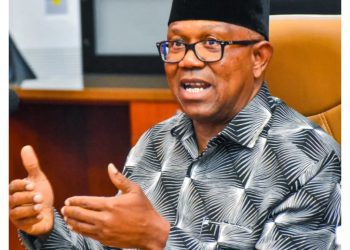
Bauchi Governor Bala Mohammed and Oyo Governor Seyi Makinde now represent the party’s entire gubernatorial strength following a fresh wave of defections. The most recent blow landed on 9 March 2026 when Zamfara Governor Dauda Lawal crossed to the All Progressives Congress (APC), lifting the ruling party’s tally to 31 governors.
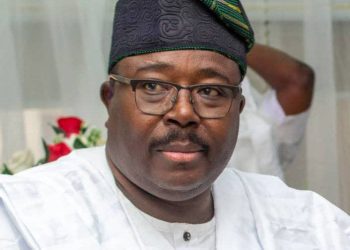
Lagos APC spokesman Seye Oladejo seized the moment to pour scorn on the opposition. In a statement issued last weekend, he said Governor Makinde now stands on the brink of emerging as the de facto chairman of a “one-man PDP Governors’ Forum,” describing it as a perfect symbol of the party’s collapse.
The PDP’s slide began the day it lost the 2015 presidential election. Within months, a flood of governors, lawmakers and heavyweights deserted the umbrella for the newly formed APC. What was once a machine that controlled the presidency and most state houses could not survive even one year out of Aso Rock.
Former PDP National Chairman Vincent Ogbulafor had boasted in 2008 that the party would rule Nigeria for 60 years. That declaration now reads like ancient history.
NaijaChoice News analysis of the political landscape shows the PDP’s rapid disintegration exposed a deeper truth about Nigerian parties. They function less as ideological movements and more as vehicles for capturing and retaining power. Once the centre of federal might shifts, loyalty follows.
Today, the APC sits in the same commanding position the PDP once occupied. It controls the presidency, commands 31 governors and holds comfortable majorities in the National Assembly. Yet many political watchers already see the same fault lines that destroyed its predecessor.
The ruling party’s internal glue appears tied heavily to President Bola Tinubu’s influence and the resources he superintends. Remove that factor, analysts argue, and the structure could fracture just as quickly as the PDP’s did after 2015.
Oladejo’s mockery of the PDP, therefore, carries an unintended echo. Nigerian politics has shown time and again that today’s dominant party can become tomorrow’s cautionary tale. The cycle of inflation and deflation of political fortunes continues, driven more by access to state resources than by any clear difference in vision or governance style.
As the country heads toward another election cycle, the question is no longer whether the PDP can rebuild. The bigger conversation, NaijaChoice News notes, is whether Nigeria’s political system will ever produce parties built to last beyond the men who currently command them.
We’ve got the edge. Get real-time reports, breaking scoops, and exclusive angles delivered straight to your phone. Don’t settle for stale news. Join NaijaChoice NEWS on WhatsApp for 24/7 updates →
Join Our WhatsApp Channel