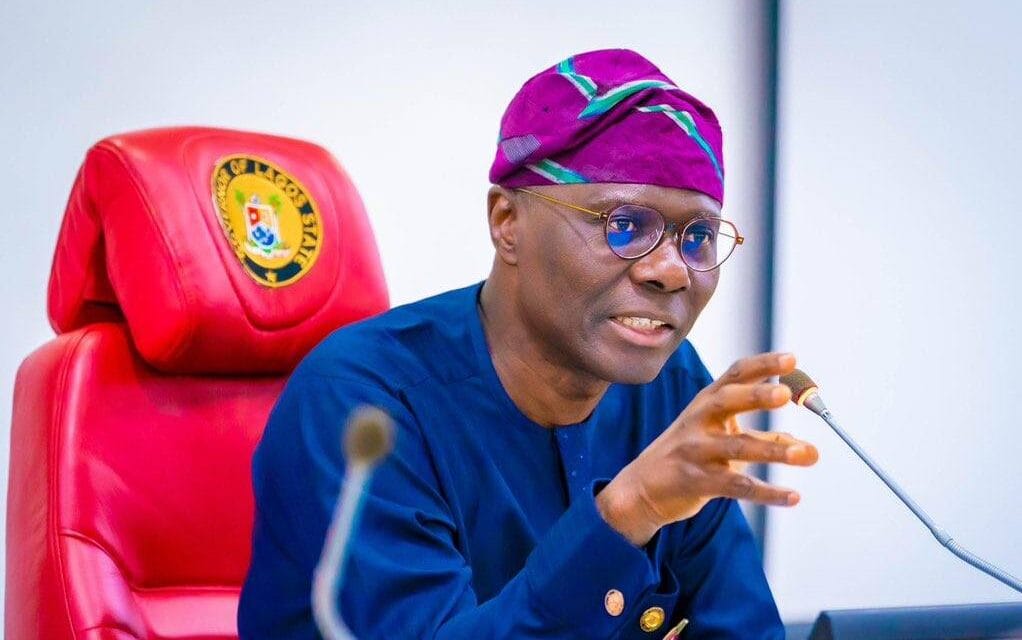
LAGOS, NIGERIA — The Lagos State Government has moved to clear the air over a viral video showing ministry officials confronting a resident about solar panels, stating that permit requirements and administrative fees for such installations are strictly limited to government-owned social housing estates.
The clarification, issued Wednesday by Wale Ajetunmobi, Senior Special Assistant to the Governor on Media, came after the footage — shared on April 21 — sparked widespread outrage online. In the video, officials from the Ministry of Housing’s Monitoring and Compliance Unit are seen challenging a resident over a solar installation in his apartment, prompting accusations that the state was penalising Nigerians for seeking alternatives to the country’s notoriously unreliable power supply.
Ajetunmobi, however, said the resident appeared to have misunderstood the terms he agreed to. “He is likely to be a tenant in one of these social housing estates owned by the Lagos State Government. Otherwise, he wouldn’t have raised concerns about something that was clearly outlined in the indemnity document he signed,” he said.
The government official was emphatic that the policy does not extend beyond state-managed properties. Private homeowners across Lagos, he clarified, are not subject to any such solar installation fees.
According to Ajetunmobi, solar systems fall under the category of structural alterations, particularly when they affect shared spaces or the original architectural design of estate buildings. Any such modification must pass through the Ministry of Housing’s Physical Planning and Survey departments for approval, material compliance checks, and post-installation inspections.
“Those solar power systems are usually installed by occupants in shared areas; so this alteration must be approved by the facility manager — the Government — before any occupant can proceed,” he explained.
The government also cited past incidents to justify the oversight requirement, noting it had previously dealt with liabilities from unapproved modifications, including roof damage and fire outbreaks linked to alterations carried out without authorisation.
The episode has nonetheless reignited debate about the barriers facing renewable energy adoption in Nigeria, where millions of households have turned to solar power to fill the void left by an underpowered national grid. Critics argue that even well-intentioned bureaucratic processes risk discouraging cleaner energy choices if not communicated clearly to residents.
As NaijaChoice News reported, the viral nature of the video reflects growing public sensitivity around energy access, with Nigerians increasingly protective of their right to power their homes independently.
Under the Lagos State Urban and Regional Planning and Development Law, structural changes to buildings require regulatory approval — a provision officials say underpins the estate policy, and one residents in government housing are reminded they consented to upon taking possession of their units.
We’ve got the edge. Get real-time reports, breaking scoops, and exclusive angles delivered straight to your phone. Don’t settle for stale news. Join NaijaChoice NEWS on WhatsApp for 24/7 updates →
Join Our WhatsApp Channel