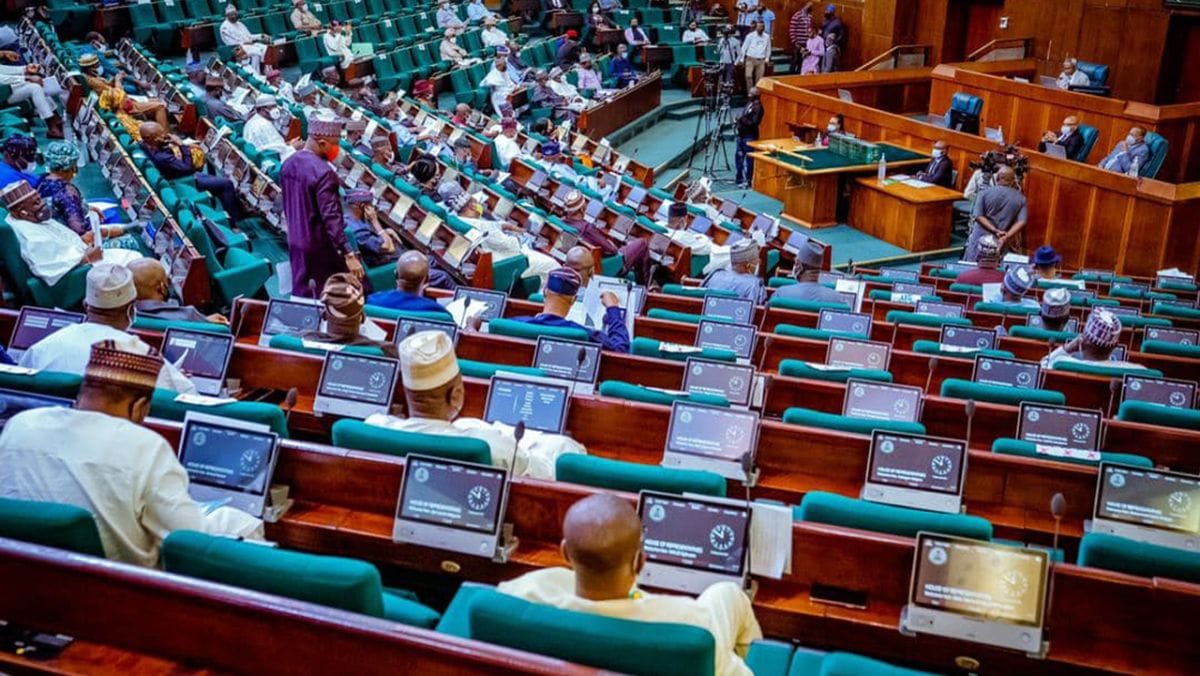
In a stunning development that has sent shockwaves through Nigeria’s political landscape, the Minority Caucus of the House of Representatives has confirmed that several key provisions in the country’s recently gazetted tax reform laws were illegally altered after being passed by the National Assembly and assented to by President Bola Ahmed Tinubu. This confirmation, detailed in an interim report released on Friday, raises serious questions about the integrity of the legislative process and potential executive overreach.
The controversy erupted following public outrage sparked by Hon. Abdulsamad Dasuki (PDP, Sokoto), who raised an alarm on the floor of the House on December 17, 2025, alleging discrepancies between the tax laws passed by lawmakers and the versions circulating in the official gazette. The laws in question—the Nigeria Tax Act, 2025; Nigeria Tax Administration Act, 2025; National Revenue Service (Establishment) Act, 2025; and the Joint Revenue Board (Establishment) Act, 2025—came into effect on January 1, 2026, amid widespread concerns over their implementation.
In response to the allegations, the Minority Caucus, led by Minority Leader Rt. Hon. Kingsley Chinda, issued a statement on December 28, 2025, vowing to “unconditionally protect the independence of the legislature and our democracy.” They warned that any attempt to impose falsified laws on Nigerians constituted a direct assault on parliament’s constitutional role. On January 2, 2026, the caucus established a seven-member ad-hoc committee chaired by Hon. Afam Victor Ogene to investigate the matter. Other members include Hon. Aliyu Garu (Bauchi), Hon. Stanley Adedeji (Oyo), Hon. Ibe Osonwa (Abia), Hon. Marie Ebikake (Bayelsa), Hon. MB Shehu Fagge (Kano), and Hon. Gaza Gbefwi Jonathan (Nasarawa).
The committee’s preliminary findings, based on a comparison of Certified True Copies (CTCs) of the Acts released by the House on January 3, 2026—as directed by Speaker Abbas Tajudeen—with the earlier gazetted versions, confirmed the alterations. The CTCs were made public to “eliminate doubts, restore clarity, and protect the sanctity of the legislature,” according to House spokesman Rep. Akintunde Rotimi.
The report highlighted multiple versions of the Nigeria Tax Administration Act, 2025, in circulation, describing this as evidence of “procedural anomalies” that encroached on legislative powers. Among the most contentious changes:
- Section 29(1): Reporting thresholds were lowered from N50 million to N25 million for individuals and from N250 million to N100 million for companies, expanding the tax net without National Assembly approval.
- New Subsections 41(8) and 41(9): These mandate taxpayers to deposit 20% of disputed tax amounts before appealing Tax Appeal Tribunal decisions—a provision absent from the original Act passed by lawmakers.
- Section 64: Expanded enforcement powers allowing tax authorities to arrest individuals and sell assets without court orders.
- Section 3(1)(b): Alterations to the definition of federal taxes, removing petroleum income tax and VAT.
- Section 39(3): Mandating tax computations for petroleum operations in US dollars, instead of the transaction currency.
In the National Revenue Service (Establishment) Act, 2025, oversight provisions empowering the National Assembly to summon officials and demand quarterly and annual reports were deleted, which the committee labeled a violation of checks and balances.
The committee described the discoveries as “anomalies, illegalities, and impunity” that warrant a deeper probe to hold those responsible accountable. They have requested an extension of time for a comprehensive investigation, emphasizing that this is an affront to Nigeria’s democracy. Some reports suggest calls for the altered bills to be declared void and for swift prosecution of those involved.
This scandal has fueled debates about executive interference in legislative matters, with analysts warning it could undermine public trust in government institutions. As Nigerians grapple with the implications of these tax reforms, including potential increases in financial burdens amid economic challenges, the National Assembly’s response will be closely watched.
We’ve got the edge. Get real-time reports, breaking scoops, and exclusive angles delivered straight to your phone. Don’t settle for stale news. Join NaijaChoice NEWS on WhatsApp for 24/7 updates →
Join Our WhatsApp Channel