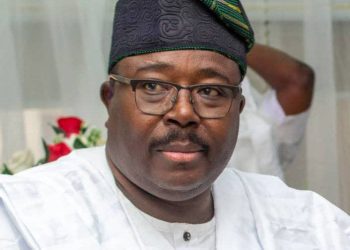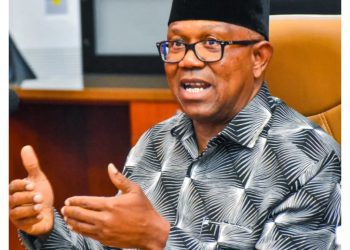
- Peter Obi and Rabiu Kwankwaso Join NDC in Major Opposition Realignment
Peter Obi and Rabiu Musa Kwankwaso, two of Nigeria’s most influential opposition figures, formally joined the Nigeria Democratic Congress (NDC) on Sunday, May 3, receiving their membership cards at the party’s national secretariat in Abuja. The move, coming hours after Obi’s resignation from the African Democratic Congress (ADC), signals a significant consolidation of opposition forces ahead of the 2027 general elections.
The development brings together the former Labour Party presidential candidate, who built a massive youth-driven following in 2023, and the ex-Kano State governor, a political heavyweight with deep roots in northern politics through the Kwankwasiyya movement. NDC leaders, including figures like Senator Seriake Dickson, welcomed the duo amid cheers from supporters.
Obi cited “endless court cases, internal battles, suspicion, and division” as reasons for exiting the ADC, where he had recently aligned amid efforts to form a broad opposition coalition. He stressed that his decision was not personal against ADC leaders like Chairman Senator David Mark or Atiku Abubakar, but driven by what he described as a toxic political environment involving infiltration and exclusionary tactics.
Kwankwaso, who left the New Nigeria Peoples Party (NNPP) after its 2023 outing, has similarly navigated multiple platforms. His entry into the NDC alongside Obi is viewed as a strategic pairing of southern urban appeal with northern grassroots strength.
The NDC, a relatively new or rebranded platform, positions itself as free from the factionalism and litigation plaguing other opposition parties. Party officials highlighted its clean record as it prepares to meet INEC registration deadlines in the coming days.
This realignment occurs against the backdrop of Nigeria’s challenging economic realities — persistent inflation, fuel subsidy removal effects, and widespread youth unemployment — which fueled the 2023 “Obidient” movement and sustained calls for competent leadership. Obi’s emphasis on frugality, education, and security, combined with Kwankwaso’s track record in Kano on human capital development, could resonate with voters seeking alternatives to the ruling All Progressives Congress (APC).
For context, Nigeria’s opposition has struggled with fragmentation since 2023. The Labour Party faced internal crises after Obi’s strong showing, while PDP and other groups dealt with defections and legal hurdles. The ADC had emerged as a potential coalition vehicle but quickly encountered similar turbulence, prompting this swift pivot.
The entry of Obi and Kwankwaso adds substantial weight to the NDC at a critical time, as parties scramble to formalise structures before regulatory deadlines. It potentially creates a platform capable of bridging regional divides and mobilising the significant voter base that supported both men previously. Their combined influence could reshape opposition dynamics, encouraging further realignments among politicians and supporters disillusioned with the status quo.
Analysts note that successful opposition unity often hinges on managing internal ambitions, securing grassroots buy-in, and presenting a coherent policy vision. The NDC will now focus on registration, candidate selection, and building structures across Nigeria’s 36 states and the FCT.
This latest chapter in Nigeria’s evolving political landscape underscores the fluid nature of alliances as the country prepares for another electoral cycle. The coming months will test whether this merger translates into a formidable challenge capable of offering Nigerians a credible alternative in 2027.
We’ve got the edge. Get real-time reports, breaking scoops, and exclusive angles delivered straight to your phone. Don’t settle for stale news. Join NaijaChoice NEWS on WhatsApp for 24/7 updates →
Join Our WhatsApp Channel