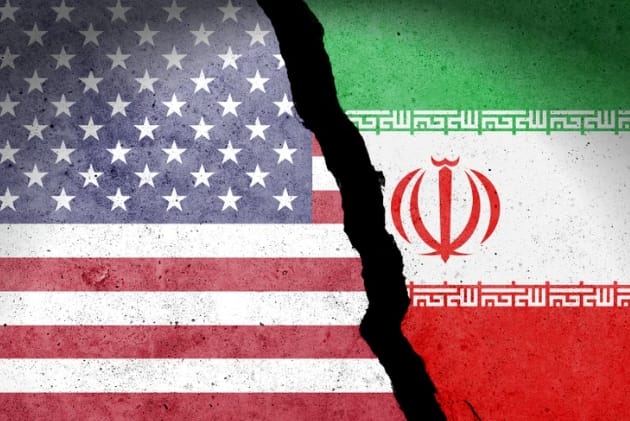
United States military strikes have targeted dozens of military sites on Iran’s Kharg Island, Iran’s main oil export hub. The operation came as President Donald Trump’s ultimatum for Tehran to reopen the Strait of Hormuz reaches its final hours. Reports confirm electricity supply was cut in parts of the island after projectiles damaged transmission lines.
Trump has repeatedly warned that failure to meet the 8 p.m. ET deadline on Tuesday would trigger massive retaliation. He has said Iran could be “taken out in one night” and threatened to destroy the country’s power plants and bridges. In a fresh social media post, the US leader declared that “a whole civilisation will die tonight” if the strait remains closed.
Kharg Island handles nearly 90 percent of Iran’s crude exports. Earlier US strikes in March already degraded some of its defences, though oil facilities were spared at the time. Washington has described the latest hits as limited to military targets.
Efforts by regional countries, led by Pakistan, to broker a ceasefire between the US and Iran have hit a dead end. Mediators told the Wall Street Journal last week that Iran rejected US demands and refused planned talks in Islamabad. One Iranian official involved in the back-channel discussions insisted the talks were still alive, saying “we are still talking to both sides.”
In Israel, Channel 13 television aired a large digital countdown clock ticking down to Trump’s deadline during its evening newscast.
NaijaChoice News has monitored the fast-moving developments with keen interest because of their direct implications for Nigeria. The Strait of Hormuz carries about one-fifth of global oil trade. Any prolonged closure or fresh escalation has already pushed Brent crude prices higher, offering short-term revenue gains for Nigeria’s oil exports.
Analysts in Lagos note that while higher crude prices could boost Federation Account Allocation Committee distributions and ease some fiscal pressure, the country remains exposed. Nigeria still imports the bulk of its refined petroleum products, and rising global freight and insurance costs could feed into pump prices and inflation.
Energy experts say the Dangote Refinery has cushioned some domestic supply shocks, but full benefits from the oil price spike depend on stable production and naira stability. A wider conflict could still trigger capital flight and further pressure on the foreign exchange market.
We’ve got the edge. Get real-time reports, breaking scoops, and exclusive angles delivered straight to your phone. Don’t settle for stale news. Join NaijaChoice NEWS on WhatsApp for 24/7 updates →
Join Our WhatsApp Channel