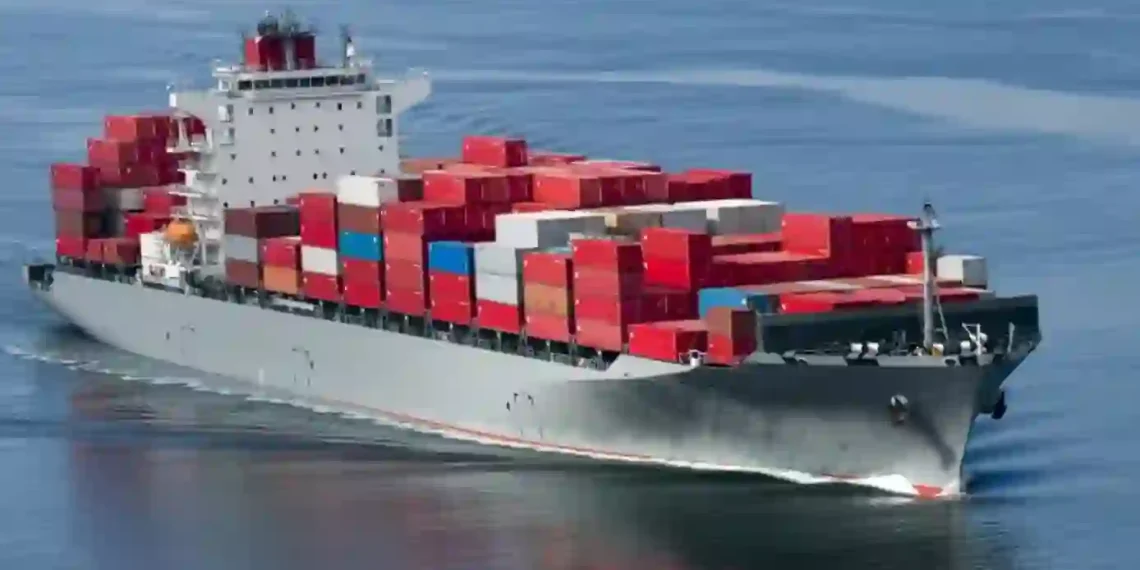
Stakeholders in Nigeria’s maritime sector have sounded the alarm over the escalating crisis in the Middle East, warning that the situation could severely disrupt cargo traffic to Nigerian ports, force longer shipping routes and drive up import costs significantly.
Shipping companies, freight forwarders and port users have expressed fears that the prolonged conflict may further worsen inflation in Africa’s largest economy by disrupting global supply chains and increasing operational expenses for importers.
As previously reported by NaijaChoice News, the crisis intensified after US and Israeli strikes on Iran in late February 2026 triggered the effective closure of the Strait of Hormuz – a critical chokepoint for global oil and container traffic – while Houthi activities resumed in the Red Sea, pushing carriers to abandon the Suez Canal route entirely.
Chairman of the Shipping Association of Nigeria (SAN), Boma Alabi, confirmed that the impact is already being felt across the industry and is expected to persist.
“It has already begun to impact the industry and will likely continue,” she said. “Costs are rising because insurance premiums and other charges have increased due to the closure of the Strait of Hormuz and heightened security risks around the Red Sea and the Suez Canal. Ships now have to travel longer routes to reach Europe, which increases bunker costs, while War Risk Insurance has also been introduced.”
Alabi noted that major carriers have suspended transits through the affected zones, with reports indicating over 170 containerships (totalling around 450,000 TEU) currently immobilised or rerouted via the Cape of Good Hope, adding 10 to 15 days to voyage times.
Former Vice President of the Association of Nigerian Licensed Customs Agents (ANLCA), Dr. Kayode Farinto, revealed that France has declared force majeure in its shipping sector due to the intensifying conflict. He warned that many international shipping lines are set to introduce War Risk Insurance surcharges on cargo destined for Nigeria.
“These additional charges could range between $3,000 and $4,000 per container, and that will have serious implications for an economy like Nigeria’s,” Farinto stated.
Maritime consultant Daniel Odibe echoed these concerns, cautioning that shipping companies may soon prioritise more profitable European routes at the expense of West African markets if the crisis drags on.
“Shipping firms will naturally prefer routes that generate higher returns. If the war continues, they may divert vessels to European markets where freight rates are more attractive,” he said.
Odibe added that goods shipped from China to Europe could increasingly bypass the Strait of Hormuz by routing through South Africa and West African corridors, potentially leaving Nigerian ports with reduced vessel calls and slower cargo throughput.
Some importers have already begun reviewing their business strategies in response to the uncertainty, with fears that the combined effect of higher freight rates, emergency surcharges from lines like CMA CGM and MSC, and prolonged delays could push consumer prices higher, especially for electronics, vehicle spares, industrial chemicals and food imports.
Industry watchers say the development comes at a critical time for Nigeria, as any further rise in import costs risks compounding existing inflationary pressures and straining foreign exchange reserves.
We’ve got the edge. Get real-time reports, breaking scoops, and exclusive angles delivered straight to your phone. Don’t settle for stale news. Join NaijaChoice NEWS on WhatsApp for 24/7 updates →
Join Our WhatsApp Channel