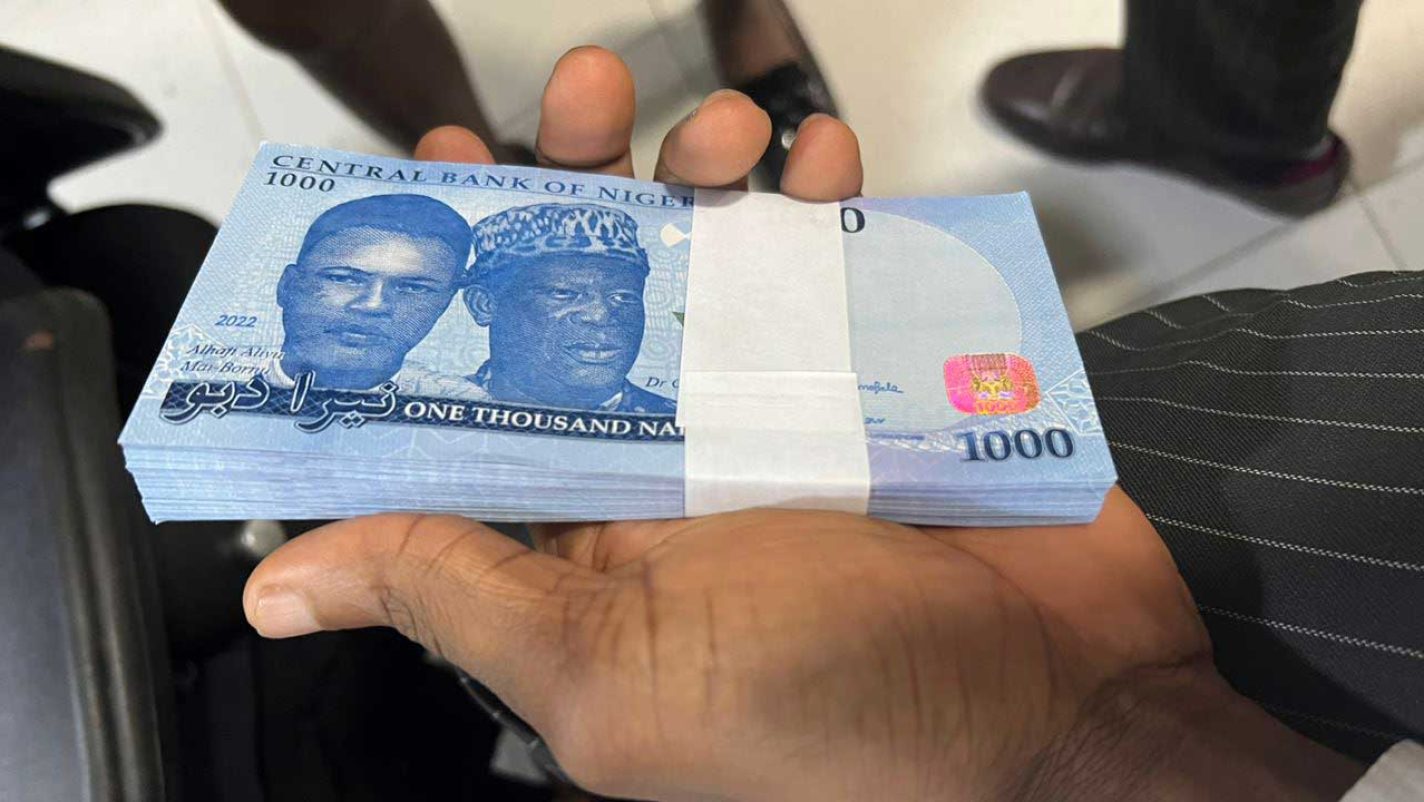
Port Harcourt, Rivers State – The Nigerian Naira extended its depreciation against the United States dollar for the ninth consecutive day at the official foreign exchange market on Wednesday, March 4, 2026, amid ongoing pressures from speculative demand and limited dollar liquidity.
Data from the Central Bank of Nigeria (CBN) revealed that the Naira closed at N1,387.09 per dollar, marking a decline of N2.80 from Tuesday’s rate of N1,384.29. This daily dip adds to a broader weakening trend that began on February 23, 2026, when the currency traded at around N1,349.24 per dollar, resulting in a cumulative loss of N37.85 over the period.
As previously reported by NaijaChoice in the article “Naira Faces Early 2026 Pressures Amid FX Reforms,” the currency’s slide has been attributed to heightened speculative activity, constrained supply in the official window, and seasonal demand spikes ahead of economic uncertainties. Analysts note that despite recent CBN interventions aimed at unifying exchange rates and boosting liquidity, the Naira remains vulnerable to external shocks, including global oil price fluctuations and geopolitical tensions in the Middle East, which could impact Nigeria’s forex inflows from crude exports.
In contrast to the official market, the parallel (black) market showed relative stability, with the Naira holding steady at N1,390 per dollar on Wednesday, according to reports from multiple Bureau de Change operators in Abuja. This rate represents a notable increase from N1,370 recorded nine days prior, narrowing the gap between official and parallel rates to just N2.91, a sign of gradual convergence that economists view as positive for market transparency.
Meanwhile, Nigeria’s external reserves continued their upward trajectory, rising to $49.88 billion as of March 3, 2026, bolstered by improved remittance inflows and export earnings. CBN Governor Olayemi Cardoso recently highlighted that gross reserves reached $50.45 billion by mid-February, providing import cover for over nine months and signaling stronger external buffers. This build-up follows FX reforms implemented since 2023, which have helped stabilize the market despite periodic volatility.
Market watchers, including those on social media platforms like X, have expressed concerns over the ongoing depreciation. One recent post noted the Naira’s consistent decline since mid-February, emphasizing liquidity issues and a strengthening US dollar as key factors. Experts project that with sustained CBN policies, the Naira could stabilize around N1,318 per dollar by year-end, supported by rising reserves potentially hitting $60 billion.
The persistent weakening of the Naira has raised alarms among Nigerians, particularly in import-dependent sectors like manufacturing and retail, where higher exchange rates translate to elevated costs for goods and services.
We’ve got the edge. Get real-time reports, breaking scoops, and exclusive angles delivered straight to your phone. Don’t settle for stale news. Join NaijaChoice NEWS on WhatsApp for 24/7 updates →
Join Our WhatsApp Channel