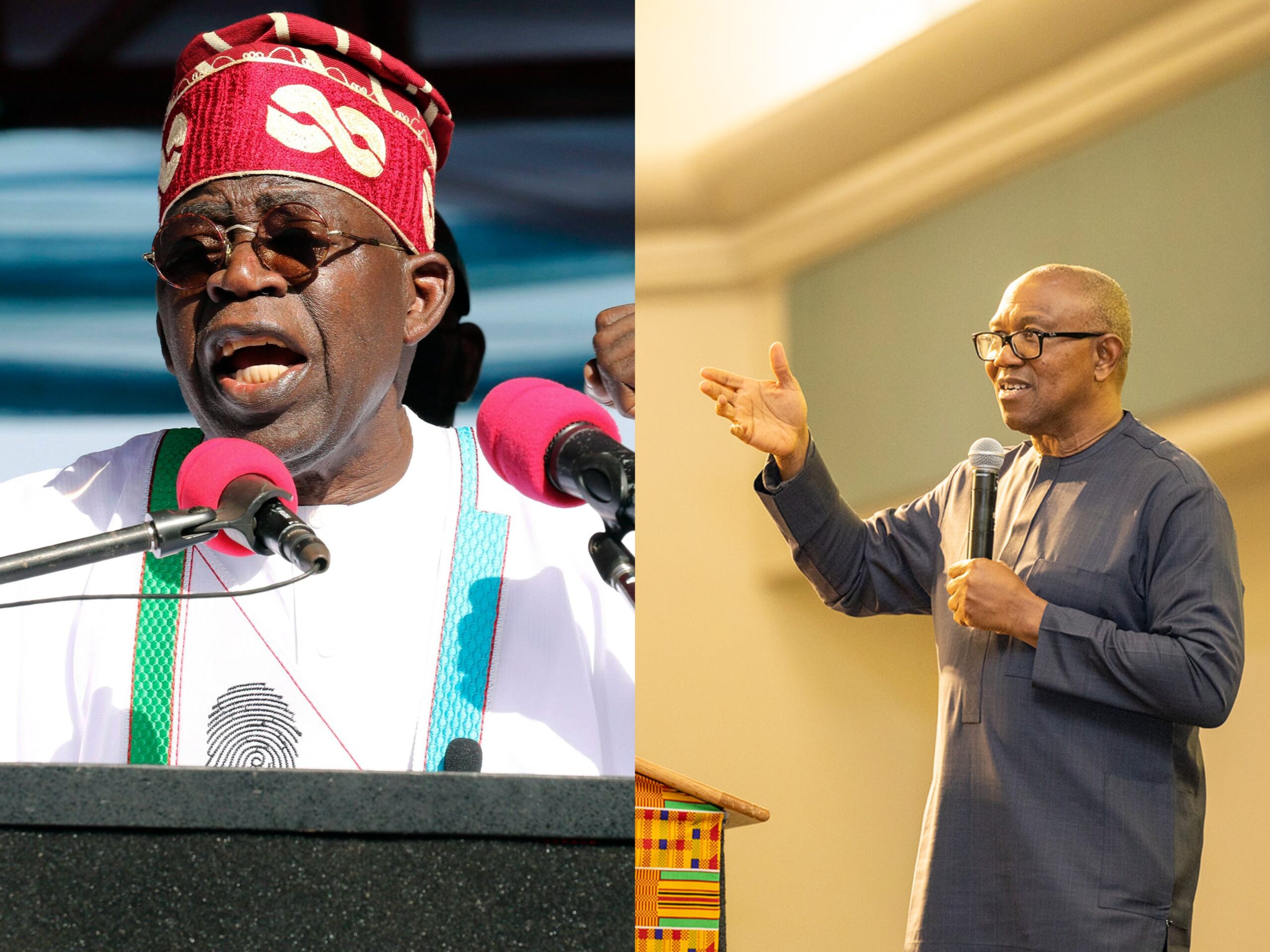
As the drumbeats of the 2027 general elections grow louder, a fresh divide is emerging in Nigeria’s political landscape, pitting the urban elite against grassroots masses in a contest for the hearts and minds of young voters. The City Boy Movement, championed by allies of President Bola Ahmed Tinubu, faces off against the newly minted Village Boy Movement, a counterforce backed by supporters of Labour Party’s 2023 presidential candidate, Peter Obi. With youth engagement at the forefront, Nigerians are left wondering: which side will sway the electorate in what promises to be a pivotal poll?
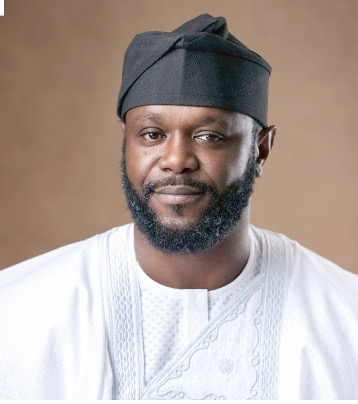
The City Boy Movement, relaunched recently by Seyi Tinubu, the president’s son, is positioning itself as a vibrant platform to rally support for President Tinubu’s re-election bid. Launched with fanfare in the Southeast – a region where Tinubu secured some of his lowest votes in 2023 – the group has quickly enlisted high-profile figures, including celebrities and socialites. Notable among them is businessman Obi Cubana, appointed as the South-East Zonal Coordinator, tasked with mobilizing young Igbo entrepreneurs and aligning them behind the president’s agenda. The movement emphasizes empowerment through initiatives like luxury bus donations for youth mobilization, portraying itself as a bridge between urban prosperity and national progress.
Critics, however, view the City Boys as emblematic of “access to state resources and celebrations of affluence without measurable productivity,” as described by Village Boy convener Mazi Tochukwu Ezeoke. Social media backlash has been swift, with accusations of hypocrisy leveled at figures like Obi Cubana, who previously supported Obi’s campaign but now backs Tinubu. Online commentators have called for boycotts of his businesses, labeling the shift a “betrayal” of grassroots ideals. As NaijaChoice News uncovered through extensive research, this movement’s strategy relies on star power and philanthropy, but it risks alienating voters amid ongoing economic hardships, including rising food prices and insecurity.
In response, Obi’s loyalists – known as Obidients – unveiled the Village Boy Movement in Abuja, framing it as a “disciplined nationwide platform anchored on earned prosperity and service-driven leadership.” Led by Ezeoke, who styles himself as the National Village Headmaster, the group positions itself as a moral alternative to the City Boys’ perceived elitism. It emphasizes humility, rural roots, and empowerment at the village level, aiming to reconnect with ordinary Nigerians disillusioned by urban-centric politics. Supporters argue that the Village Boys represent the masses punished by “evil policies,” such as poverty and hunger under the current administration.
Political analysts see this as more than a youth fad; it’s a proxy war for 2027’s broader ideological clash. “The Village Boys are more valuable because even City Boys will still go to the villages for campaigns,” noted businessman Isaac Fayose in a viral clip, predicting strong support for Obi in the South East and South South. African Democratic Congress (ADC) chieftain Kelly Agaba echoed this, advocating for the Village Boys’ focus on education, voter rights, and empowerment to counter the City Boys’ mobilization tactics.
Yet, the City Boys’ backers remain optimistic. With endorsements from entertainers and a narrative of building on Tinubu’s “renewed hope” agenda, they aim to harvest votes in key demographics. As one commentator put it, “This is a movement against the masses? No, it’s about strategic alignment for progress.” However, NaijaChoice News analysis reveals potential pitfalls: persistent economic woes, like bread prices soaring from N10,000 in 2023 to N48,500 today, could fuel resentment and boost the Village Boys’ anti-establishment appeal.
The stakes are high. Peter Obi himself has weighed in indirectly, urging resistance to “evil plans” and demanding real-time electronic transmission of election results for transparency. With both movements vying for youth loyalty – City Boys through glamour and Village Boys via moral grit – 2027 could hinge on whether Nigerians prioritize urban aspiration or rural resilience.
As the debate rages on platforms like X, where hashtags like #CityBoyMovement and #VillageBoyMovement trend, one thing is clear: this rivalry is reshaping political engagement. Will the City Boys’ resources prevail, or will the Village Boys’ grassroots fervor tip the scales? Nigerians hold the answer, but as NaijaChoice News continues to monitor, the path to 2027 promises more twists in this tale of two movements.
We’ve got the edge. Get real-time reports, breaking scoops, and exclusive angles delivered straight to your phone. Don’t settle for stale news. Join NaijaChoice NEWS on WhatsApp for 24/7 updates →
Join Our WhatsApp Channel