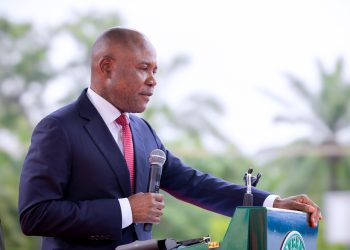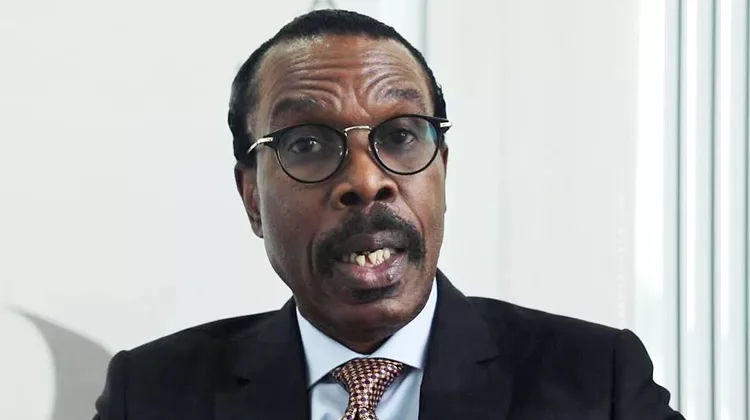
In a bold assessment of Nigeria’s foreign exchange landscape, renowned economist and Managing Director of Financial Derivatives Company (FDC), Mr. Bismarck Rewane, has pegged the true value of the naira at approximately ₦1,257 to the US dollar. Rewane argues that the local currency is currently undervalued by about 11 per cent, based on the purchasing power parity (PPP) model, which measures the relative value of currencies by comparing the cost of a basket of goods.
This revelation came during Rewane’s keynote address at the 2026 Economic Outlook event, organised by the Association of Corporate Treasurers of Nigeria (ACTN) in Lagos. The gathering brought together top financial experts to dissect Nigeria’s economic trajectory, focusing on exchange rate dynamics, inflation, and treasury management strategies amid ongoing reforms.
Rewane, a respected voice in Nigeria’s economic circles, explained that currencies often converge towards their PPP-implied values over a five-year period. “The appropriate exchange rate based on current PPP estimates stands at ₦1,256.79 to the dollar,” he stated, reinforcing his view that the naira is trading below its fair valuation. This undervaluation, he noted, stems from a mix of structural factors like supply chain disruptions and cyclical elements such as global commodity price fluctuations.
At the time of the event, the naira’s official exchange rate in the Nigerian Foreign Exchange Market (NFEM) hovered around ₦1,412 to the dollar, according to market data from January 27, 2026. This places the currency weaker than Rewane’s estimated fair value, potentially signaling opportunities for appreciation if structural reforms are sustained. Recent reports indicate the naira has shown slight gains in early 2026, with rates fluctuating between ₦1,412 and ₦1,423 per dollar in official channels, amid Central Bank of Nigeria (CBN) interventions to stabilize the market.
Kicking off his presentation, Rewane reminded attendees that the core duty of corporate treasurers is to optimize a company’s liquid resources. He urged them to approach foreign currency exposure with “cautious optimism,” especially in a volatile environment marked by exchange rate uncertainties. “Treasurers must navigate foreign-exchange-related activities with prudence to safeguard their organizations,” he emphasized.
The event also featured a vibrant panel discussion with industry heavyweights, including Adeyinka Ogunnubi, Group Treasurer of CFAO Nigeria and National President of ACTN, and Titilola Osinowo, Group Head of Treasury and Investments at Ardova Plc.
Osinowo shared practical tips for enhancing liquidity management, advocating for greater use of hedging instruments like foreign-exchange swaps and options. “If you have dollar receivables, match your expenses with those dollar receivables or align your cash flows accordingly,” she advised, highlighting the benefits of natural hedging in reducing forex risks.
Ogunnubi, on his part, described treasury management as the art of “smart allocations,” where every unit of cash is maximized for the best returns at minimal cost and risk. He stressed that working capital should be the primary focus in allocation decisions. “Companies may shift from a net negative to a net positive cash position, raising questions about deployment,” he said. “Do you pay suppliers early? Ultimately, it’s about identifying the most efficient use of cash at any point.”
The 2026 Economic Outlook comes at a critical juncture for Nigeria, with experts projecting headline inflation to average around 16 per cent this year, driven by easing monetary policies and improved forex liquidity. Rewane’s projections align with broader forecasts, including those from the Nigerian Economic Summit Group (NESG), which anticipates 5.5 per cent GDP growth alongside stabilizing inflation. However, challenges like potential investment slowdowns ahead of future elections could temper optimism, as flagged by ACTN and other analysts.
Stakeholders at the event called for continued CBN reforms to bridge the gap between the current rate and the fair value, potentially boosting investor confidence and economic recovery. As Nigeria grapples with forex pressures, Rewane’s insights provide a roadmap for treasurers and policymakers alike to foster a more resilient naira.
We’ve got the edge. Get real-time reports, breaking scoops, and exclusive angles delivered straight to your phone. Don’t settle for stale news. Join NaijaChoice NEWS on WhatsApp for 24/7 updates →
Join Our WhatsApp Channel