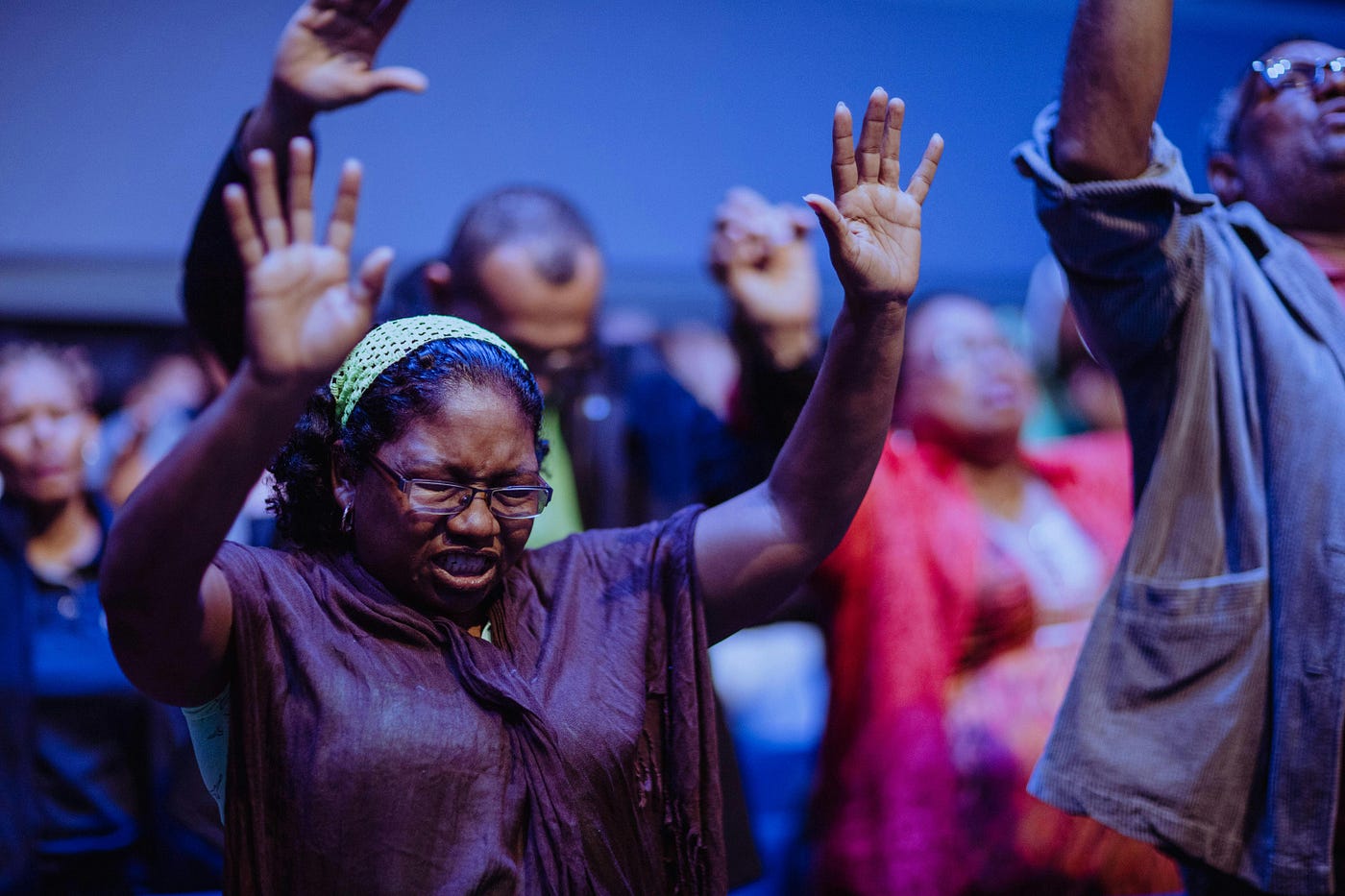
by Village Town Crier – Facebook
A friend once shared something a family member told him, something that initially baffled him. He said: “If you ever want to succeed abroad, get a job in a white-dominated establishment. It is the easiest way to grow.”
He added that progress tends to be slower in spaces dominated by Black people because of intense competition and overlapping ambitions. From my experience abroad, there is some truth to this. When one Black professional breaks into a field and thrives, others often follow quickly. It reflects what I call the “I can do” spirit, a powerful drive to improve one’s circumstances.
By contrast, I have seen some white workers remain in the same low-level roles for decades, often by choice. Opportunities come, but they are declined with a casual “I can’t be asked.” Even when peers progress, there is little sense of urgency or comparison. If the job becomes uncomfortable, they move on. Ironically, this creates space for more ambitious individuals to step in. This is not to say they lack ambition, only that it often manifests differently.
This same pattern of observation and replication can be seen in religion on social media.
Eminent figures like Pastor Jerry Eze of Streams of Joy International appear to have drawn inspiration from the success of Pastor Nathaniel Bassey and his widely popular Hallelujah Challenge. With slight adjustments such as timing and delivery, similar formats have been replicated. Since the rise of Jerry Eze’s NSPPD morning prayers and the financial success associated with them, there has been a noticeable surge in pastors, prophets, and clerics, including traditional and Islamic figures, moving onto social media.
The message is consistent. Miracles, prophecies, financial breakthroughs, and divine protection.
Increasingly, many young people seem more interested in benefiting from God than in knowing Him. They outsource spiritual understanding to clerics, seeking quick solutions to life’s problems without personal transformation. On social media, traditional preaching rarely gains traction. But if a speaker appears to reveal personal details, sometimes by simply asking for a name, their “power” is instantly validated in the eyes of viewers.
Platforms like TikTok have become a goldmine for this trend. With nearly 2 billion monthly active users globally and high engagement among 18 to 34-year-olds, TikTok offers an enormous audience. Users spend significant time on the app, and at any moment, regardless of time zone, there is likely a livestream offering hope, healing, or prophecy.
In return, viewers send money through virtual gifts, often without hesitation. The algorithm reinforces this cycle. Engage with one religious livestream, and you are quickly recommended many more. The combination of reach, interaction, and monetization has made TikTok a hotspot for digital spirituality.
From observation, Pentecostal Christian communities appear particularly active in this space. On the surface, this may seem beneficial for the spread of Christianity. However, a deeper look raises concerns. The motivations behind some of these activities often show signs of personal aggrandizement and financial opportunism.
What may begin as an altruistic effort frequently evolves into a system requiring ongoing financial commitment. In many cases, followers are effectively paying for services, miracles, prophecies, and interventions that cannot be verified.
The rapid rise of social media pastors across Africa also reflects broader socioeconomic realities. History shows that this is not new. During the Great Depression, there was a surge in motivational speakers, pastors, and spiritual figures. People turned to them for hope during a time of widespread hardship and uncertainty.
Africa today faces its own version of prolonged crises. Decades of poor leadership, corruption, unfavorable trade conditions, and external shocks such as the Russia-Ukraine War have driven up the cost of living. Economic pressure continues to mount, and many people are desperate for answers and relief.
In such conditions, the appeal of spiritual intervention becomes stronger.
Social media pastors step into this vacuum, offering explanations for personal struggles and promises of transformation. Unfortunately, as history has shown, this environment also creates fertile ground for manipulation. Many people, in their search for hope, may once again be misled, deceived, or exploited.
We’ve got the edge. Get real-time reports, breaking scoops, and exclusive angles delivered straight to your phone. Don’t settle for stale news. Join NaijaChoice NEWS on WhatsApp for 24/7 updates →
Join Our WhatsApp Channel