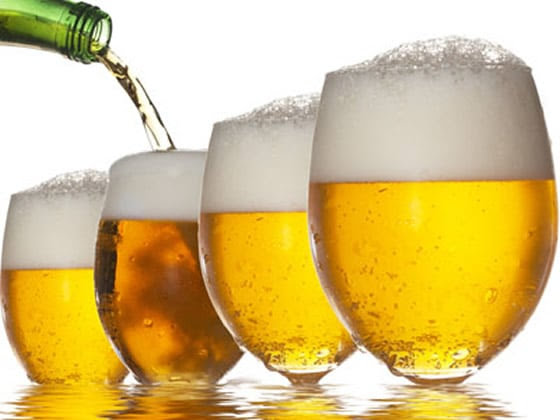
As economic pressures mount across Nigeria, citizens from various walks of life are increasingly relying on beer to unwind and escape daily frustrations, investigations have shown.
Despite dwindling incomes and skyrocketing costs of essentials, beer consumption remains robust, with Nigerians spending an estimated N1.54 trillion on brewery products in the first nine months of 2025 alone. This figure, drawn from the financial reports of major players like Nigerian Breweries Plc, International Breweries Plc, and Champion Breweries Plc, highlights how alcohol has become a go-to coping mechanism for many grappling with unemployment, inflation, and family demands.
Nigerian Breweries Plc, the industry giant, led the pack with net revenue of N1.05 trillion for the period ending September 30, 2025 – a sharp rise from N710.87 billion in the same timeframe of 2024. International Breweries followed with N472.57 billion, up from N343.45 billion, while Champion Breweries posted N21.44 billion, compared to N14.02 billion previously. Analysts attribute this surge to resilient demand, noting that beer sales defy the broader economic slump, as many view it as an “affordable escape” from unmet governance expectations and harsh realities.
Connect With NaijaChoice News for faster News updates.
- Whatsapp Channel: NaijaChoice News
- X (formerly Twitter): @NaijachoiceNGA
- Telegram: @NaijachoiceNGA
In bars and lounges around Lagos and Ogun states, where a bottle of beer now fetches between N1,000 and N2,500 depending on the brand and venue, patrons shared personal stories of using alcohol to navigate life’s challenges. This marks a notable hike from pre-2024 prices, when brands like Gulder sold for N700 and Star Lager for N600, following multiple price adjustments by brewers amid rising production costs.
Sola Ajisafe, a corporate professional, explained that after grueling workdays filled with bill worries and family obligations, he seeks solace in a quiet bar. “It’s about stepping out for reflection and planning. As a family man, personal space is scarce, and a couple of beers help me strategize better,” he said. Ajisafe, who once could down a fridge-full in his youth, now limits himself to one or two bottles, citing age and increased responsibilities. He acknowledged occasional migraines but downplayed long-term health concerns.
Unemployed economics graduate Adeyemi Quadri turns to beer to combat depression from financial strains. “When bills pile up with no solutions in sight, alcohol makes the trauma fade,” he admitted. Trader Ifeanyi Charles echoes this, visiting beer parlours to numb thoughts of sluggish business and family pressures. With beer prices up, he supplements with cheaper sachet drinks, locally called ‘fenuja’, restricting intake to three or four bottles per session.
Gbenga Ogunsanya drinks for refreshment and better sleep, feeling elated post-consumption, though economic woes have cut his outings and social circle. Alex Olalekan, meanwhile, uses three bottles to relax after stressful days, reducing group orders from four crates to one amid cost-of-living spikes. “It’s just to escape worries I can’t fix,” he noted.
This trend persists despite regulatory moves like the National Agency for Food and Drug Administration and Control (NAFDAC)’s enforcement of a ban on sachet alcohols, aimed at curbing easy access among youths. Critics, including the Manufacturers Association of Nigeria, warn that such bans could erase N1.9 trillion in investments and cause 500,000 job losses.
Health experts, however, sound alarms over the risks. Harmful alcohol use affects 34.3% of Nigerians, with men twice as likely (43.9%) as women (23.9%) to engage in it. Globally, alcohol ranks as the third-largest risk factor for disease and disability, contributing to 4% of deaths worldwide. In Nigeria, it’s the top contributor to disease burden and road traffic accidents, linked to cardiovascular deaths (13.5% of cases), risky sexual behaviors, HIV transmission, and workplace health issues. Among youths, stress from academics, work, or finances often drives consumption, exacerbating mental health woes amid the economic crisis.
Psychologists urge alternatives like exercise or counseling, warning that reliance on alcohol could deepen cycles of distress. As one analyst put it, while beer offers fleeting relief, addressing root causes like economic policies and governance is key to true respite
We’ve got the edge. Get real-time reports, breaking scoops, and exclusive angles delivered straight to your phone. Don’t settle for stale news. Join NaijaChoice NEWS on WhatsApp for 24/7 updates →
Join Our WhatsApp Channel