Lagos, Nigeria – In a surprising turn of events amid the ongoing tensions in the Middle East, Iran’s President Masoud Pezeshkian has publicly apologized to neighboring Gulf nations for recent missile and drone attacks carried out by Iranian forces. The apology, broadcast on state television, comes as strikes continue to rattle countries like Qatar and Bahrain, highlighting internal rifts within Iran’s leadership.
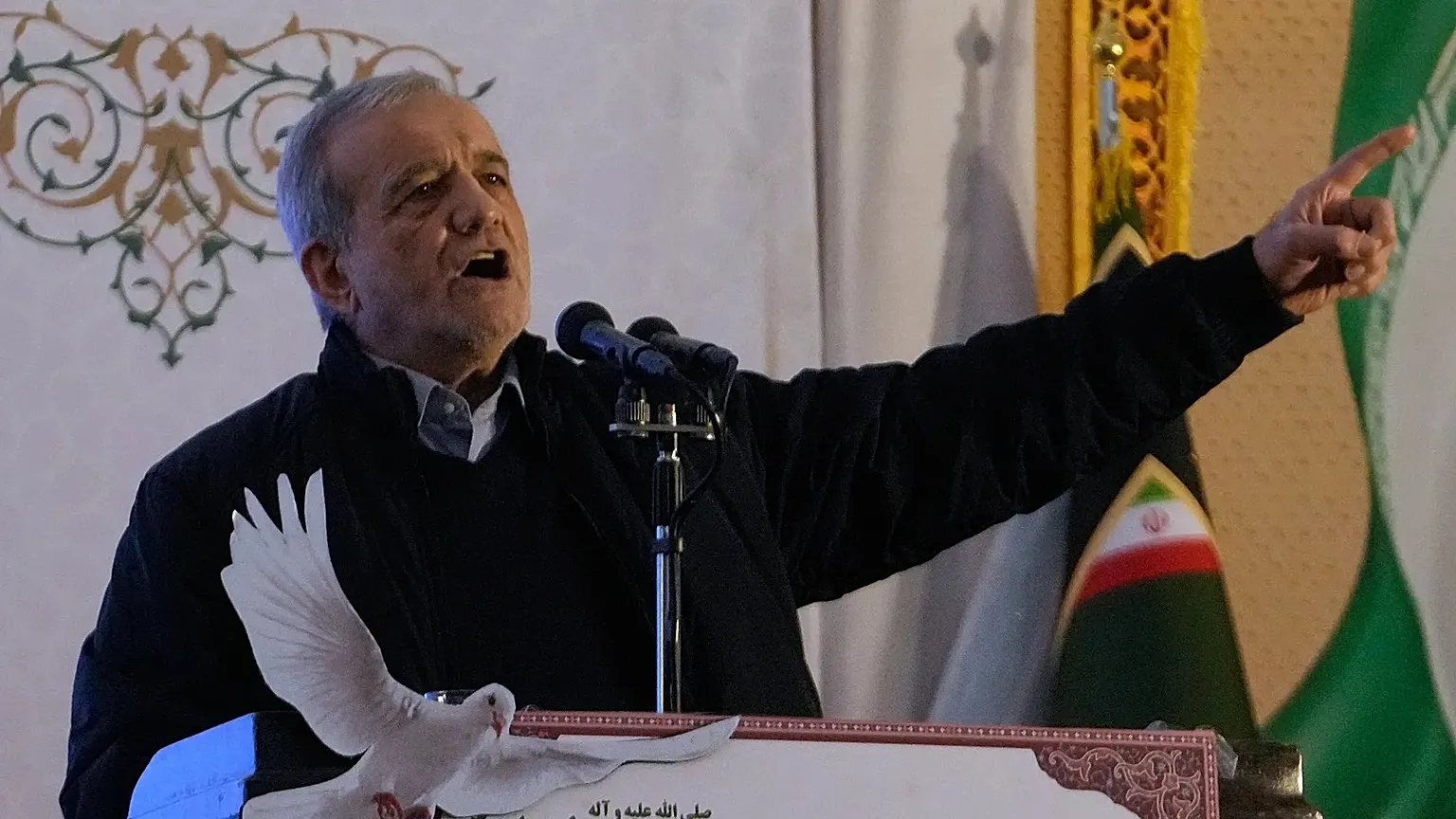
President Pezeshkian, in his televised address on Saturday, March 7, stated, “I must apologize on behalf of Iran to the neighboring countries affected” by the strikes, pledging that Iran would halt such actions unless attacked first. He emphasized that the temporary leadership council had agreed to suspend attacks on Gulf states, provided their territories are not used to launch assaults against Iran.
However, the apology was short-lived. Hours later, following backlash from hard-liners within Iran, Pezeshkian backtracked, asserting that Iran had not targeted its “friendly and neighboring countries” and omitting any further mention of regret. Reports indicate that missile and drone strikes persisted, with explosions heard in Doha shortly after the initial statement.
Connect With NaijaChoice News for faster News updates.
- Whatsapp Channel: NaijaChoice News
- X (formerly Twitter): @NaijachoiceNGA
- Telegram: @NaijachoiceNGA
This development unfolds against the backdrop of a broader conflict involving Iran, Israel, and the United States. As previously reported by NaijaChoice News, tensions escalated when Iran threatened Israel over potential attacks on Lebanon, and White House officials warned of impending Iranian ballistic missile strikes on Israel. The current wave of attacks appears linked to Iranian targeting of U.S. military bases in Gulf states, amid U.S. President Donald Trump’s demands for Iran’s surrender.
President Pezeshkian, a reformist who was elected in July 2024 as previously reported by NaijaChoice News, has been navigating a delicate balance between de-escalation efforts and pressure from Iran’s military establishment. His apology underscores potential divisions in Tehran’s command structure, with some analysts suggesting the political leadership may not fully control the armed forces.
The Gulf nations, including Saudi Arabia, the UAE, Qatar, and Bahrain, have been on high alert since the strikes began last week, with air-raid sirens sounding in multiple cities. While the apology was welcomed by some regional leaders as a step toward dialogue, the continuation of attacks has raised doubts about its sincerity.
For Nigeria and the broader African continent, the instability in the Middle East could impact global oil prices and energy security, given the Gulf’s role as a major oil supplier. Nigerian officials have yet to comment on the apology, but experts urge monitoring the situation closely amid potential economic ripple effects.
We’ve got the edge. Get real-time reports, breaking scoops, and exclusive angles delivered straight to your phone. Don’t settle for stale news. Join NaijaChoice NEWS on WhatsApp for 24/7 updates →
Join Our WhatsApp Channel