The Federal Government is facing fresh backlash from health experts and analysts over its inability to stem the tide of medical tourism, as foreign exchange outflow for health-related travel by Nigerians climbed to $549.29 million in the first nine months of 2025. This marks a 17.96 percent jump from the $465.67 million recorded in the corresponding period of 2024, according to data from the Central Bank of Nigeria’s quarterly statistical bulletin for Q3 2025.
NaijaChoice News reports that the surge highlights ongoing challenges in the nation’s healthcare system, with Nigerians spending $151.53 million in the first quarter, $189.41 million in the second, and $208.35 million in the third quarter of 2025. In contrast, the figures for 2024 stood at $142.95 million, $153.67 million, and $169.04 million for the respective quarters. The increase comes amid broader economic pressures on Nigeria’s foreign reserves and the naira, exacerbating concerns about capital flight.
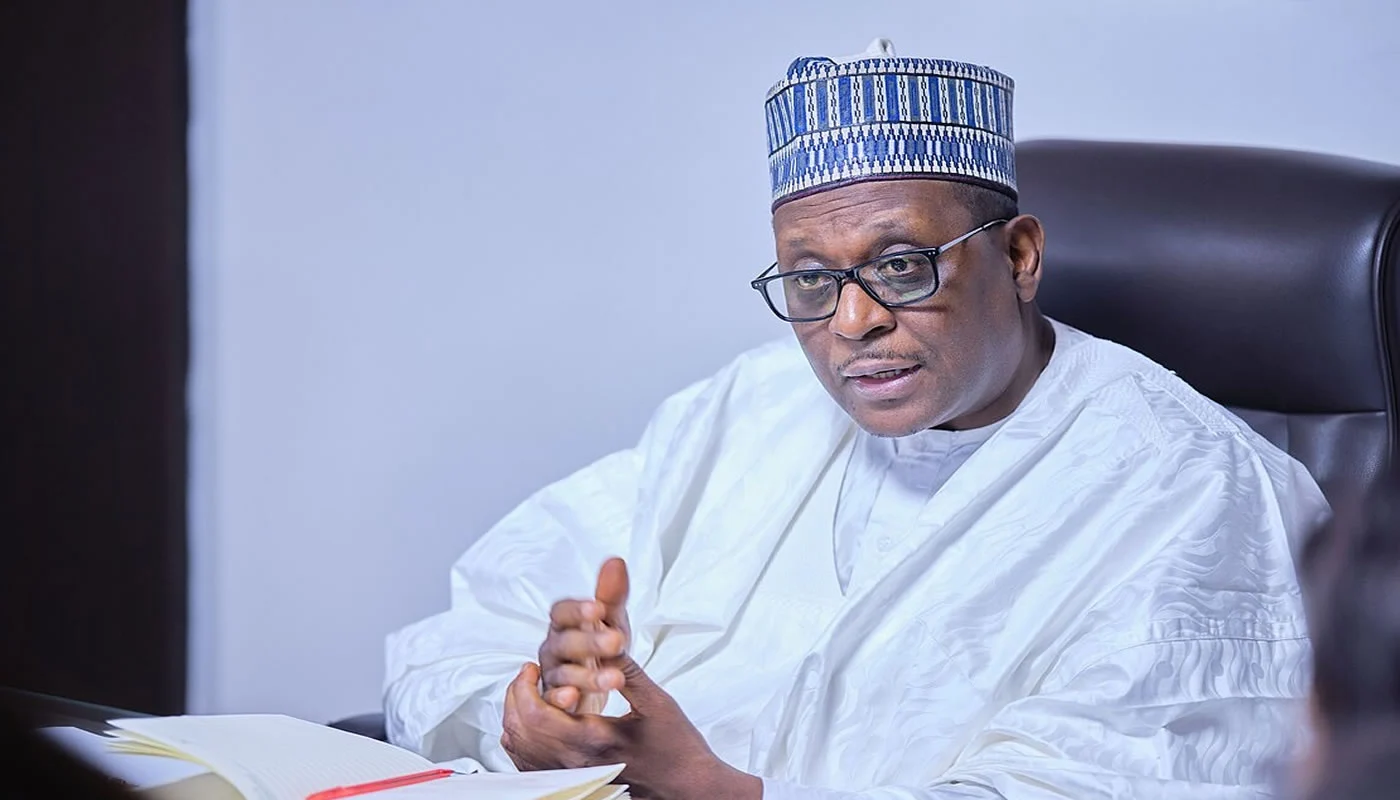
Health professionals have lambasted the government for unfulfilled promises to upgrade local facilities and reduce reliance on overseas treatment. Coordinating Minister of Health and Social Welfare, Prof. Muhammad Pate, had in August 2023 vowed to prioritize health security and curb outward medical travel. By April 2025, he reiterated that Nigeria loses approximately $2 billion yearly to medical tourism, stressing the urgency of building health sovereignty. Earlier that year, in February, Pate claimed a reversal was underway, noting inbound medical visits from regions including the UK and US.
Connect With NaijaChoice News for faster News updates.
- Whatsapp Channel: NaijaChoice News
- X (formerly Twitter): @NaijachoiceNGA
- Telegram: @NaijachoiceNGA
However, the latest CBN figures paint a different picture, suggesting little headway. Former President of the Pharmaceutical Society of Nigeria, Olumide Akintayo, attributed the spike to deteriorating local health infrastructure, rampant corruption, and disruptions like the record 84-day health workers’ strike in 2025. “The statistics confirm that the health system has only gotten worse,” Akintayo told NaijaChoice News. “Strikes destroy the entire value chain—from surgeries to drug procurement and diagnostics.“
Akintayo further pointed to mismanagement of funds, citing the Independent Corrupt Practices Commission’s declaration that health sector MDAs rank among Nigeria’s most corrupt. He highlighted shortages of essential drugs, including cardiovascular medications, anti-diabetics, antibiotics, anti-cancer agents, and anti-malarials, forcing patients abroad. “The drug revolving fund policy has been poorly handled over the years,” he added.
Nigerian Medical Association President, Prof. Bala Audu, echoed these sentiments, noting that most FX requests likely stem from treatments for chronic conditions like advanced cancers. While praising Nigerian doctors’ global competitiveness—many of whom are recruited overseas—Audu blamed gaps in equipment and reagents. “We have competent personnel, but without proper tools or even reagents for tests, treatments falter,” he said. He criticized the meager release of just N36 million from the N218 billion 2025 capital health budget, quipping, “If you provide bicycles, you can’t expect them to fly.”
Former NMA President, Prof. Mike Ogirima, described the outflow as a drain on reserves, hindering cross-border transactions. “Our public hospitals lack sophisticated equipment and life support gadgets,” Ogirima explained, linking the trend to the “Japa” syndrome of skilled professionals emigrating.
A poignant example surfaced recently with author Chimamanda Ngozi Adichie, who accused a Lagos hospital of negligence following her 21-month-old son’s death while arranging US treatment. Such cases underscore eroding trust in domestic care, particularly for specialized procedures like cardiovascular interventions.
On social media platform X, discussions have amplified the criticism, with users highlighting government failures amid the FX surge. One post from Global South World noted the 18 percent rise signals declining confidence despite skilled doctors, while others shared links to reports on the crisis.
Experts urge comprehensive reforms, including better funding, anti-corruption measures, and investments to reverse the trend. As NaijaChoice News continues to monitor this issue, the data serves as a stark reminder of the need for actionable steps to bolster Nigeria’s healthcare sovereignty and ease economic strains.
We’ve got the edge. Get real-time reports, breaking scoops, and exclusive angles delivered straight to your phone. Don’t settle for stale news. Join NaijaChoice NEWS on WhatsApp for 24/7 updates →
Join Our WhatsApp Channel