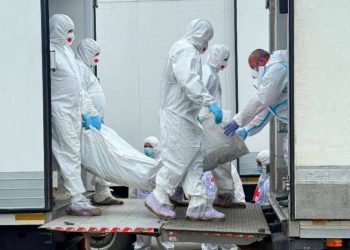
The death of Mary Habila, a young physiotherapist, at the country home of Minister of Works David Umahi has triggered fresh demands for a full coroner’s inquest and comprehensive forensic investigation before any burial proceeds.
Habila was reportedly found dead on June 27, 2026, at the minister’s residence in Ebonyi State under circumstances that remain unclear. Reports indicate she was discovered with blood flowing from her mouth, raising immediate questions about the cause of death and the events leading to her presence at the property.
Activist and presidential candidate Omoyele Sowore has publicly insisted that justice requires all necessary procedures—including an autopsy—to be completed first. He warned against any rushed burial by the family, emphasising the need for transparency given the mysterious nature of the incident.
Minister Umahi has rejected suggestions of secrecy, stating that the matter was promptly reported to the police and that he has directed an autopsy with the family’s consent. He has also threatened legal action against those spreading what he describes as false reports.
Habila’s case has drawn parallels to long-standing allegations of unresolved deaths linked to Umahi’s time as governor of Ebonyi State. In November 2021, five engineers from NELAN Consulting—Nelson Onyemeh, Ernest Edeani, Ikechukwu Ejiofor, Samuel Aneke, and Stanley Nwazulum—disappeared while supervising an African Development Bank-funded ring road project.
The engineers, who had travelled to Abakaliki for a meeting, were later declared killed and buried in the bush by Umahi during a state executive council meeting, even as investigations were reportedly still ongoing. Their families continue to demand answers, recently petitioning the National Judicial Council and other bodies over what they term a mysterious disappearance amid alleged prior threats from the then-governor.
Umahi has maintained that the engineers fell victim to communal violence in the Effium area during a period of heightened insecurity, denying any direct involvement or negligence.
Nigeria’s coroner’s laws exist precisely for cases like this—sudden, unnatural, or unexplained deaths—particularly when they occur in high-profile settings. A proper inquest would establish the medical cause of death, examine the timeline of events, and address questions about how Habila came to be at the residence and the circumstances of her discovery.
Such procedures are not mere formalities. They safeguard public trust in institutions and ensure accountability, especially in a country where powerful figures sometimes face accusations of influence over investigations. In the current political climate, where infrastructure projects under the Ministry of Works attract significant federal resources and scrutiny, any shadow of impropriety risks eroding confidence in governance.
The unresolved NELAN case illustrates the persistent challenges of delivering justice in politically sensitive matters. Years after the engineers vanished, their families still seek closure, highlighting gaps in transparency and the slow pace of accountability when allegations touch serving or former officials.
For Habila’s family and the wider public, a thorough inquest offers the best path to factual clarity. It would involve independent forensic analysis, witness statements, and official documentation—steps that can separate rumour from evidence and prevent premature conclusions.
As demands for answers intensify, the handling of this case will test Nigeria’s commitment to due process, regardless of the status of those connected to it. Justice, in this instance, demands nothing less than full disclosure through established legal channels.
We’ve got the edge. Get real-time reports, breaking scoops, and exclusive angles delivered straight to your phone. Don’t settle for stale news. Join NaijaChoice NEWS on WhatsApp for 24/7 updates →
Join Our WhatsApp Channel