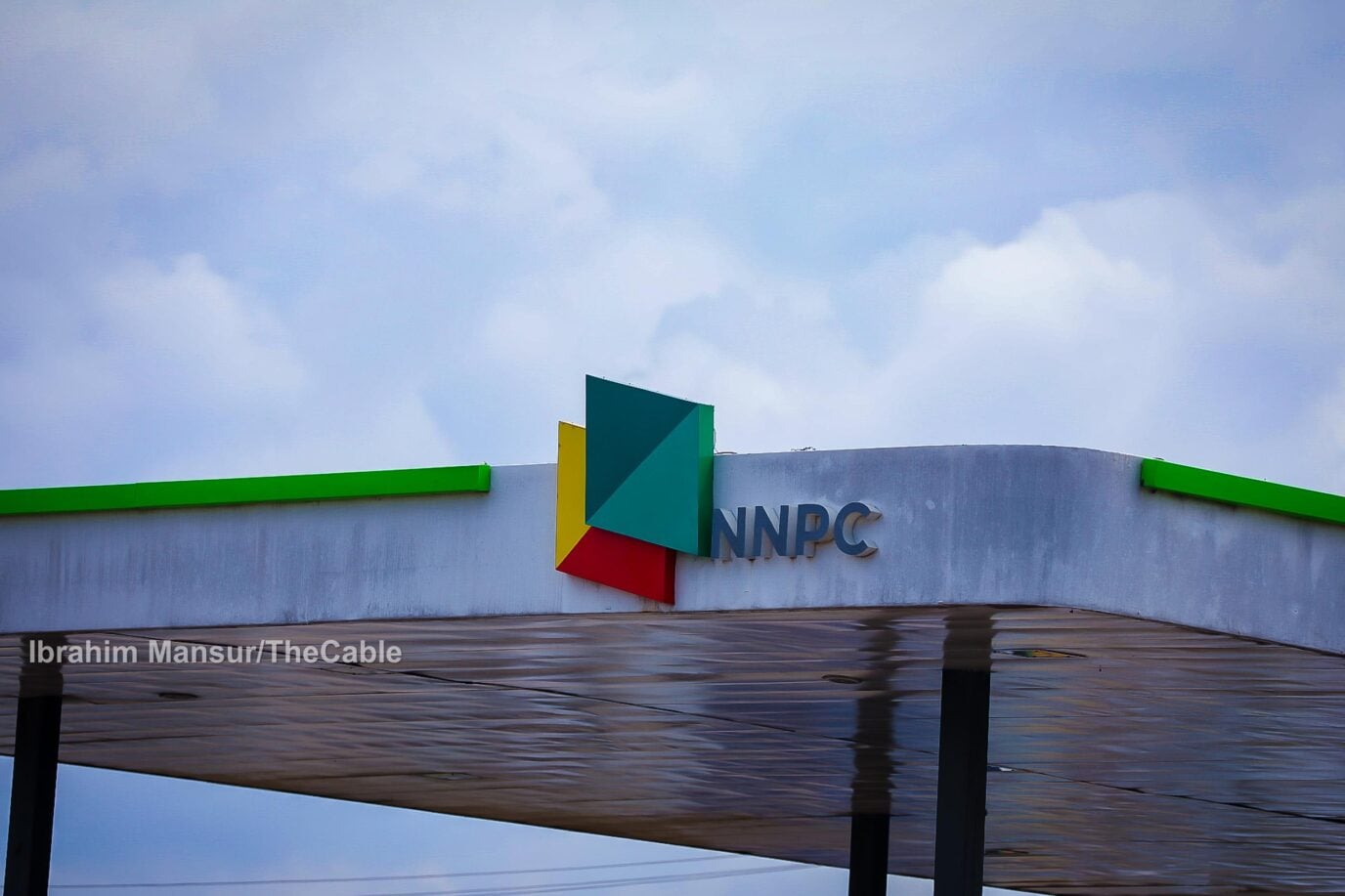
The Nigerian National Petroleum Company Limited (NNPC Ltd) has entered a strategic agreement with two Chinese firms to inject technical expertise and potential equity into the long-troubled Port Harcourt and Warri refineries, aiming to achieve sustainable operations and expansion after years of costly rehabilitation failures.
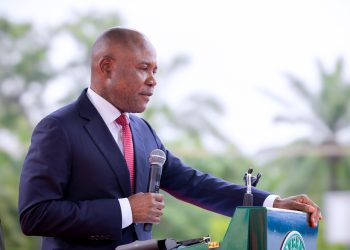
Group Chief Executive Officer Engr. Bashir Bayo Ojulari signed the Memorandum of Understanding (MoU) on April 30, 2026, in Jiaxing City, China, with Guan Jianzhong of Sanjiang Chemical Company Limited and Bill Bi of Xingcheng (Fuzhou) Industrial Park Operation and Management Co. Ltd. The pact explores a Technical Equity Partnership (TEP) for completing outstanding rehabilitation works, restarting operations, and developing co-located petrochemical and gas-based industries.
This development comes after massive public investments yielded limited results. The federal government spent about $2.39 billion under the Buhari administration on the two facilities, with the Federal Executive Council approving $1.5 billion specifically for Port Harcourt in March 2021 and $1.48 billion combined for Warri and Kaduna refineries in August 2021. Earlier contracts went to firms like Saipem for phased rehabilitation spanning over 77 months.
The Port Harcourt Refinery, Nigeria’s largest with a nameplate capacity around 210,000 barrels per day, restarted in November 2024 following rehabilitation but operated for only about six months before shutdown in May 2025 due to operational and financial challenges. NNPC leadership later described the restart as inefficient, citing losses and the need for stronger partners with proven maintenance and operational capabilities. Warri Refinery has faced similar prolonged downtime.
Engr. Bashir Bayo Ojulari, a petroleum engineer with decades of experience including leadership roles at Shell Nigeria, assumed office as NNPC GCEO in April 2025. He described the MoU as a milestone after over six months of technical engagements, stressing mutual recognition of opportunities for “long-term sustainable profitability” of NNPC’s refining assets.
Nigeria’s refining sector has been a persistent pain point. The country, despite being Africa’s largest crude oil producer, has relied heavily on imported petroleum products for decades, exposing the economy to forex volatility, supply disruptions, and high costs passed to consumers. The three state-owned refineries—Port Harcourt, Warri, and Kaduna—collectively hold capacity exceeding 400,000 barrels per day but have operated far below potential for years, contributing to fuel subsidy burdens before their removal and ongoing import dependency.
Bringing in experienced international technical partners addresses core gaps in local refining expertise, project execution, and sustainable operations. The partnership model, which includes potential equity participation, differs from previous contractor-led approaches by aligning incentives for long-term performance rather than one-off rehabilitation. It also eyes downstream value addition through petrochemicals, which could boost industrialisation and job creation in the Niger Delta region.
This latest initiative occurs against the backdrop of private sector progress, notably the Dangote Refinery’s ramp-up to full capacity and initial exports. It underscores a broader policy shift toward hybrid models that combine state assets with global operational know-how to restore domestic refining self-sufficiency.
The agreement represents a pragmatic step toward reversing decades of underperformance in Nigeria’s downstream petroleum sector. Success will depend on clear execution milestones, transparent governance, and measurable improvements in capacity utilisation and financial viability.
As Nigeria pushes for energy security and economic diversification, effective revival of these strategic assets could significantly reduce import reliance and unlock broader industrial growth.
We’ve got the edge. Get real-time reports, breaking scoops, and exclusive angles delivered straight to your phone. Don’t settle for stale news. Join NaijaChoice NEWS on WhatsApp for 24/7 updates →
Join Our WhatsApp Channel