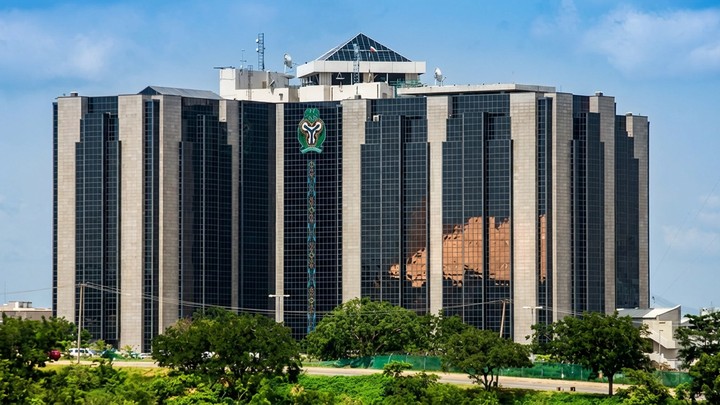
The Central Bank of Nigeria has scrapped maintenance charges on naira-denominated debit and credit cards while slashing fees on electronic transfers as part of a major overhaul of banking costs.
The revised Guide to Charges by Banks and Other Financial Institutions takes effect from May 1, 2026, replacing the 2020 version.
Under the new structure, electronic transfers of N5,000 and below will attract zero charges. Transfers between N5,000 and N50,000 will cost N10, while those above N50,000 will be charged N50.
The apex bank said the changes are designed to encourage small-value digital payments and reduce dependence on cash, a move expected to benefit millions of Nigerians in both urban and rural areas where low-value transactions dominate daily commerce.
Card maintenance fees for naira debit and credit cards have been completely removed, offering direct relief to customers. However, foreign currency cards will now attract an annual fee of $10 or its naira equivalent.
The cost of issuing or replacing debit and credit cards has been raised from N1,000 to N1,500 to reflect prevailing operational realities in the financial system.
A circular signed by the Director of Financial Policy and Regulation, Rita Sike, described the review as part of ongoing efforts to build a safe, transparent, and competitive financial sector.
The updated guide broadens coverage of financial services, includes new industry players, and strengthens accountability across regulated institutions.
“The Guide aims to enhance flexibility, standardisation, transparency and competition in the Nigerian financial system,” the CBN stated.
It added that lowering tariffs on micropayments and digital transactions will speed up adoption of innovative payment solutions across the country.
Bill payments via electronic channels have been capped at N100 per transaction, payable by the sender. Point-of-Sale transactions remain free for customers, with merchants bearing the charges at a fixed rate of 0.5 per cent of the transaction value, up to a maximum of N10,000.
ATM withdrawals using other banks’ machines will continue to attract N100 per N20,000 at on-site terminals. Off-site ATMs may add a surcharge of up to N500, provided customers are duly informed.
Email alerts must be issued free of charge, while SMS alerts will be charged only on cost-recovery basis. The CBN also strengthened consumer protection rules, requiring full disclosure of charges and clear notification where fees are negotiable.
Banks must now present all lending rates and fees as a single Annual Percentage Rate at the point of transaction. Customers will receive advance notice of any changes to agreed rates.
NaijaChoice News understands that senior management of financial institutions will be held responsible for full compliance with the new guidelines, with monthly reports on failed transactions now mandatory.
The measures apply to all CBN-regulated entities, including commercial banks, microfinance banks, payment service providers, and mobile money operators.
These reforms represent a significant step by the CBN towards making formal banking more affordable and trustworthy for ordinary Nigerians at a time when digital payments are reshaping economic activities across the nation.
We’ve got the edge. Get real-time reports, breaking scoops, and exclusive angles delivered straight to your phone. Don’t settle for stale news. Join NaijaChoice NEWS on WhatsApp for 24/7 updates →
Join Our WhatsApp Channel