Iran’s economy has taken a severe blow from the United States naval blockade of its ports in the Strait of Hormuz, with losses hitting $1.7 billion in just five days.
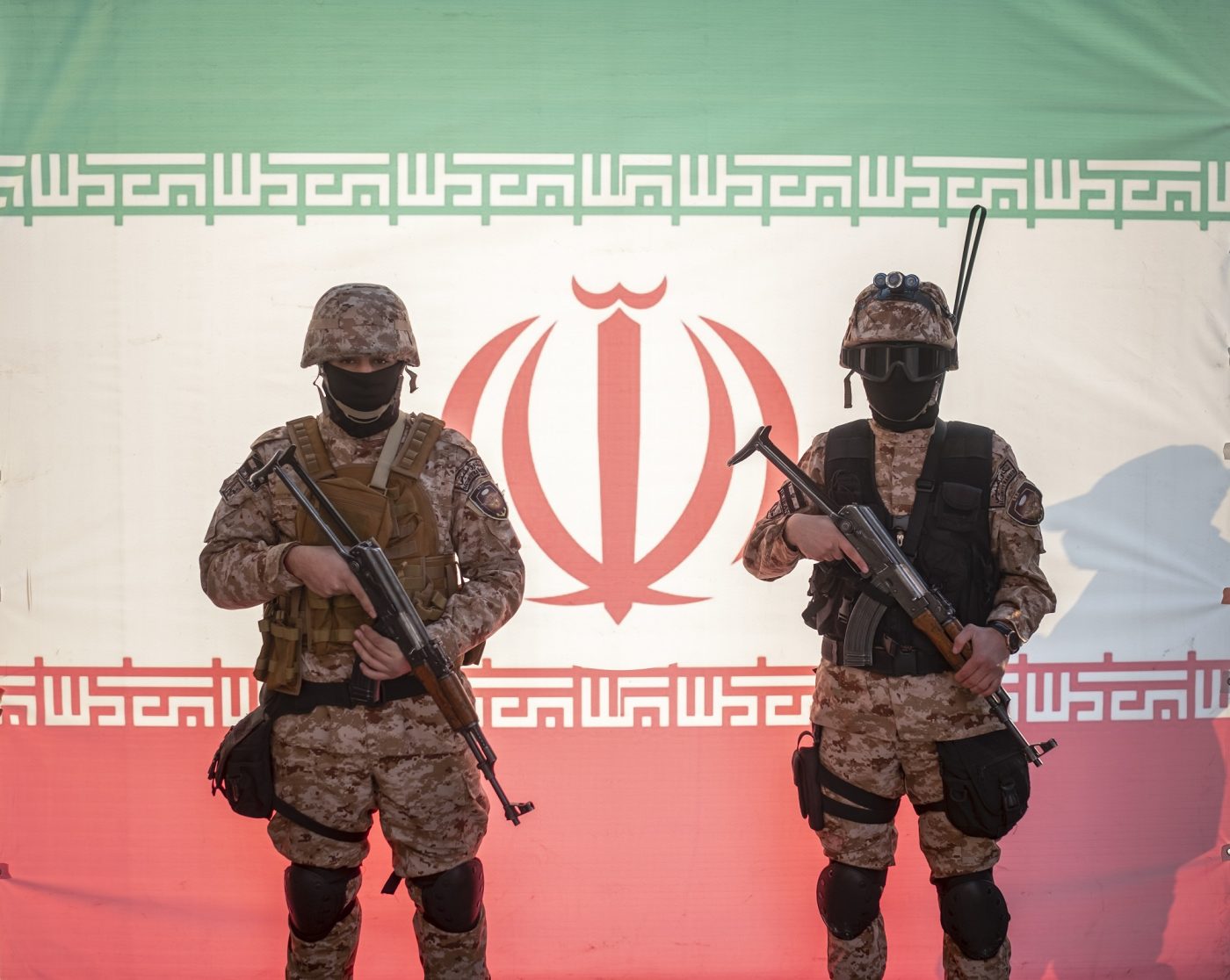
The blockade, enforced by President Donald Trump following the collapse of ceasefire talks, has halted nearly all Iranian seaborne trade. Oil exports, which form the backbone of Tehran’s revenue, have ground to a virtual standstill as more than a dozen vessels turned back without confrontation.
Trump himself described the move as more powerful than direct bombing, stating it would squeeze Iran harder than military strikes alone. US forces are patrolling the vital waterway, instructing ships linked to Iranian ports to return, while allowing other commercial traffic to pass.
Iranian officials insist the Strait of Hormuz itself is now open to general shipping. However, the American blockade specifically targeting Iranian vessels and ports remains firmly in place until a full deal is reached on nuclear issues and other demands.
Analysts estimate Iran is losing roughly $400 million daily from blocked oil and petrochemical shipments. With over 90 percent of its sea trade dependent on the strait, the regime faces mounting pressure on its budget, including possible shutdowns in oil fields and funding shortfalls for the military.
For Nigeria, the development carries mixed signals. Global oil prices spiked above $100 per barrel in the early days of the blockade before easing slightly as the strait reopened for non-Iranian traffic. As Africa’s largest crude exporter, Nigeria stands to gain from sustained higher prices, which could boost Federation Account revenue and help shore up the naira.
Yet experts warn of volatility. Any prolonged disruption in the Middle East could trigger fresh spikes in fuel costs at home, hitting transporters and households already strained by subsidy removal. The Nigerian National Petroleum Company Limited is monitoring the situation closely, sources told NaijaChoice News.
So far, enforcement has been smooth with no reported clashes. Shipping data shows vessels complying promptly, avoiding escalation in one of the world’s most critical energy chokepoints.
The blockade continues as leverage in ongoing US-Iran negotiations. How long it lasts will determine its full impact on both Tehran’s coffers and oil markets worldwide.
We’ve got the edge. Get real-time reports, breaking scoops, and exclusive angles delivered straight to your phone. Don’t settle for stale news. Join NaijaChoice NEWS on WhatsApp for 24/7 updates →
Join Our WhatsApp Channel