The Federal Government of Nigeria has disbursed at least ₦38.188 billion (approximately $144.722 million at historical official exchange rates) on the welfare, pensions, allowances, and other entitlements for former presidents, heads of state, vice presidents, and their families over a 22-year period from 2005 to 2026, according to an analysis of budget documents by Saturday Vanguard.
This figure includes annual allocations for upkeep, statutory benefits, and one-off expenditures such as vehicle purchases. For the 2026 fiscal year, the government has proposed another ₦2.3 billion under the line item “Entitlements of Former Presidents/Heads of State and Vice Presidents/Chief of General Staff” in the massive ₦58.47 trillion Appropriation Bill presented by President Bola Tinubu.
The allocation, which covers pensions, allowances, security, medical care, staff, and other perquisites, applies to both civilian and military-era former leaders. Beneficiaries include:
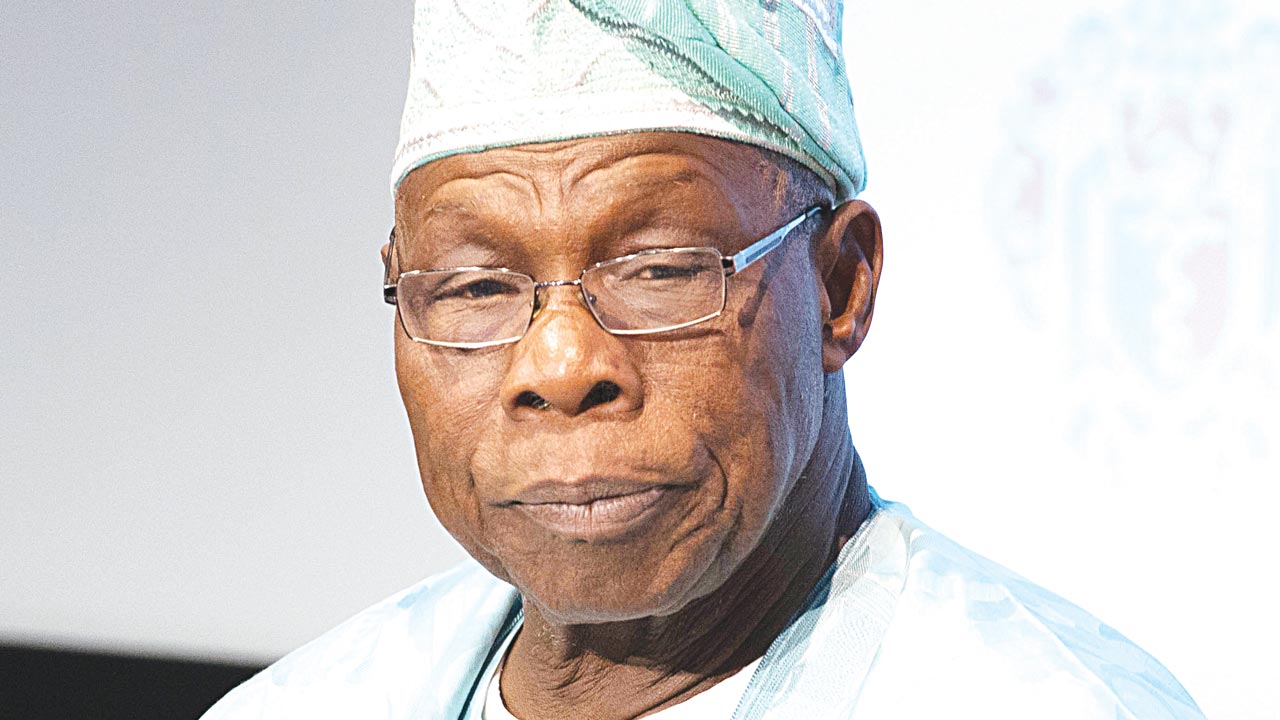
- Former presidents Olusegun Obasanjo and Goodluck Jonathan
- Former military heads of state General Yakubu Gowon, General Ibrahim Babangida (IBB), and General Abdulsalami Abubakar
It also extends to former vice presidents such as Atiku Abubakar (1999–2007), Namadi Sambo (2010–2015), and Yemi Osinbajo (2015–2023), as well as Commodore Ebitu Ukiwe (de facto vice president during the Babangida regime, 1985–1986).
Families of deceased former leaders—including Abubakar Tafawa Balewa, General Aguiyi-Ironsi, Dr. Nnamdi Azikiwe, General Murtala Muhammed, General Sani Abacha, and Chief Ernest Shonekan, along with deceased vice presidents like Dr. Alex Ekwueme—receive ongoing benefits as provided by law.
Key Spending Trends Allocations began modestly at ₦140 million in 2005 and fluctuated over the years, peaking at ₦3.185 billion in 2012 under the Goodluck Jonathan administration. The lowest recorded was ₦24 million in 2008. Since 2013, the annual figure has remained fixed at ₦2.3 billion through 2025, with the same amount proposed for 2026.
Additional costs include:
- ₦432.193 million in 2017 for vehicle purchases for seven former presidents/heads of state and four vice presidents.
- ₦986.19 million between 2016 and 2018 for similar car acquisitions.
Beyond core entitlements, living former leaders—who are automatic members of the Council of State—receive ₦500,000 per attendance at periodic meetings (typically held at least twice a year).
Legal Framework The welfare package originated from Decree 32 of 1999 and was formalized in the Remuneration of Former Presidents, Heads of Federal Legislative Houses and Chief Justices of the Federation (and Other Ancillary Matters) Act. It was amended in 2008 and 2010, with the Revenue Mobilisation, Allocation and Fiscal Commission (RMAFC) empowered to review remunerations in line with economic conditions and salary adjustments for sitting presidents.
Entitlements for former presidents include monthly upkeep allowances (originally ₦350,000 for presidents/heads of state and ₦250,000 for vice presidents/chiefs of general staff, subject to review), lifetime security (armed police and DSS aides), staff (personal secretaries, administrative officers), vehicles replaced every four years, free medical treatment (domestic and abroad if necessary), furnished offices and residences, and 30 days of annual vacation at government expense.
For deceased leaders, families receive quarterly payments for upkeep and children’s education up to university level (with restrictions, e.g., no benefits if a spouse remarries).
International Comparisons The Nigerian package draws inspiration from systems like the United States’ Former Presidents Act (1958), where ex-presidents receive pensions around $200,000+ annually (plus staff, office, travel, and Secret Service protection). Other nations vary: South African ex-presidents retain near-full pre-retirement packages (around $188,000 in recent figures), Indian former prime ministers get modest pensions and perks (around $13,000 yearly plus housing/staff), and UK ex-prime ministers access public duty allowances (totaling hundreds of thousands in some cases).
In Nigeria, the recurring ₦2.3 billion annual allocation—amid economic challenges and a record ₦58.47 trillion national budget—continues to spark debate on fiscal priorities, especially as the country grapples with debt servicing, inflation, and public service demands.
The 2026 proposal underscores that these are statutory obligations, but public scrutiny often intensifies during budget cycles when resources are stretched thin.
We’ve got the edge. Get real-time reports, breaking scoops, and exclusive angles delivered straight to your phone. Don’t settle for stale news. Join NaijaChoice NEWS on WhatsApp for 24/7 updates →
Join Our WhatsApp Channel