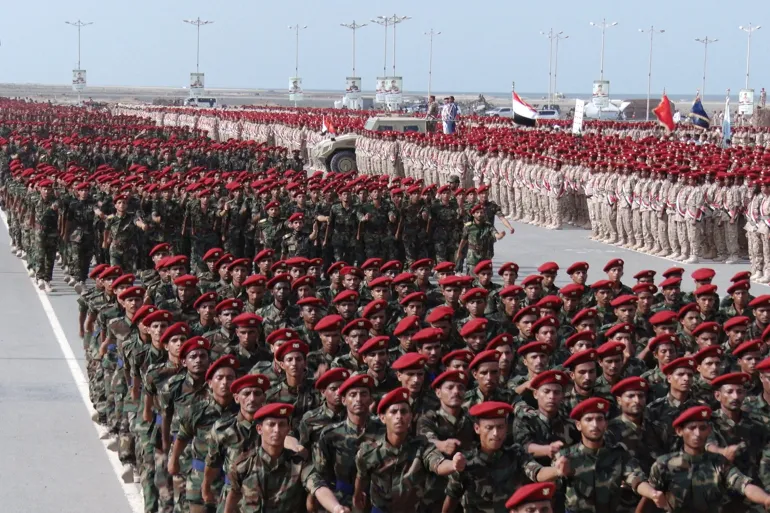
Yemen’s Iran-backed Houthi rebels have launched a barrage of ballistic missiles at Israel, their first direct strike on the country since the US-Israeli war on Iran began.
Brigadier-General Yahya Saree, the rebels’ military spokesperson, announced the attack on Saturday through the group’s Al Masirah television station. He said the missiles targeted “sensitive Israeli military sites” in southern Israel and warned that operations would continue until aggression against all resistance fronts ends.
The Israeli military confirmed it intercepted one missile. Sirens sounded in Beersheba and areas near the country’s main nuclear research centre for the third time overnight into Saturday, but no casualties or damage were reported.
NaijaChoice News understands the strike came hours after Saree issued a vague warning on Friday that the Houthis would join the widening Middle East conflict.
The rebels, who have controlled Yemen’s capital Sana’a since 2014, had so far stayed out of the US-Israeli campaign against Iran. They previously attacked over 100 merchant vessels in the Red Sea between late 2023 and early 2025, sinking two ships and killing four sailors.
In a fresh statement on Saturday, the Houthis’ deputy information minister, Mohammed Mansour, told local media the group was fighting the battle in stages. He listed closing the Bab al-Mandeb strait as one possible option.
Analysts say any blockade of the strait would hit global shipping hard. About 30 percent of Israel’s imports pass through the Red Sea waterway, while the route carries roughly $1 trillion in annual global trade.
Mohamad Elmasry, a professor of media studies at the Doha Institute, described the Houthi entry into the war as “very significant”. He warned that shutting down the Bab al-Mandeb, combined with existing closures elsewhere, would choke major international trade routes.
Ibrahim Jalal, a senior Yemen and Gulf researcher, called the threat to shipping “very alarming”, especially if coordinated with other blockades. He noted Iran had prepared this theatre for years through its Houthi allies.
For Nigeria, the development raises fresh economic concerns. Past Red Sea disruptions from Houthi attacks already pushed up shipping costs and triggered food inflation, particularly in wheat and flour imports. Any further blockade could worsen pressure on fuel prices and imported goods, analysts say.
In the occupied West Bank, Al Jazeera’s Nida Ibrahim reported that the new front is likely to fuel questions inside Israel about the sustainability of its operations. She added that Israel is expected to retaliate, as it did during the Gaza war when Yemen joined the fight in support of Palestinians.
Meanwhile, nine Israeli soldiers were wounded in two rocket attacks from southern Lebanon, according to Israeli Army Radio. The Houthis’ move has now opened another layer in a conflict already straining the region and global supply chains.
We’ve got the edge. Get real-time reports, breaking scoops, and exclusive angles delivered straight to your phone. Don’t settle for stale news. Join NaijaChoice NEWS on WhatsApp for 24/7 updates →
Join Our WhatsApp Channel