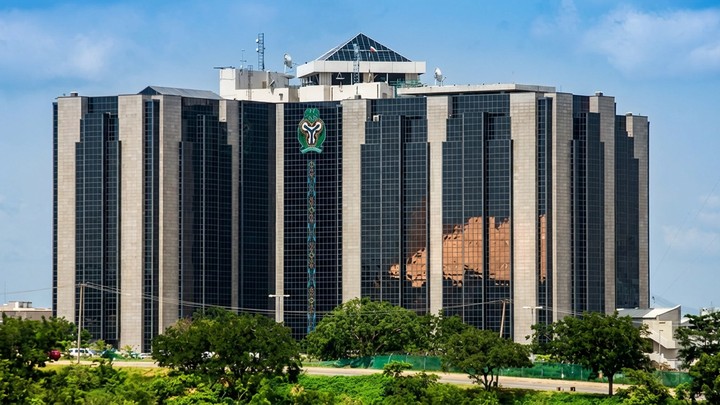
ABUJA – Central Bank of Nigeria Governor Olayemi Cardoso has disclosed that 32 banks have already met the revised minimum capital requirements under the ongoing banking recapitalisation programme.
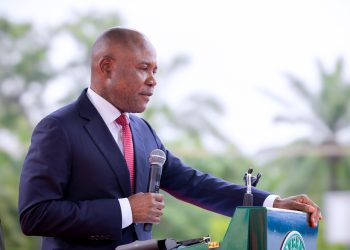
NaijaChoice News reports that the governor made the disclosure at the Monetary Policy Forum in Abuja on Thursday, describing the progress as “commendable”. He said the milestone has strengthened the resilience of the Nigerian banking system and positioned it to mobilise long-term capital for productive investments.
Cardoso noted that the recapitalisation exercise forms part of wider reforms to improve governance, risk management and overall sector stability. These include a risk-based capital framework, stricter rules on insider lending and limits on credit exposure to major non-performing borrowers.
The CBN has also enhanced its supervisory tools with digital early warning systems, better off-site monitoring and stronger oversight of Nigerian banks operating abroad.
On the inflation front, the governor pointed to the impact of tight monetary policy. Headline inflation fell sharply from 34.8 per cent in December 2024 to 15.06 per cent in February 2026 after aggressive rate hikes of 875 basis points in 2024. The Monetary Policy Rate now stands at 26.5 per cent following a measured easing.
In the foreign exchange market, the CBN cleared over $7 billion in verified backlogs and moved to a willing-buyer, willing-seller system. The parallel market premium has since dropped below 2 per cent.
Diaspora remittances have risen steadily from about $200 million to $600 million per month. The apex bank targets $1 billion monthly by the end of 2026, backed by improved settlement systems and tighter regulation.
Gross external reserves climbed to $50.12 billion in February 2026, up from $38.34 billion a year earlier. Net reserves rose from $3.99 billion at the end of 2023 to $34.80 billion by the end of 2025.
Cardoso attributed the reserve build-up to better management, gold diversification and stronger external asset frameworks. He also highlighted a sharp cut in Ways and Means financing from N26.95 trillion in May 2023 to N2.84 trillion by January 2026, which has restored central bank independence.
These reforms have earned Nigeria improved sovereign ratings and praise from the International Monetary Fund.
Looking ahead, the CBN will focus on single-digit inflation, exchange rate stability and further reserve accretion. The governor projected domestic growth of 4.49 per cent for 2026 but warned of risks from global geopolitical tensions and oil price swings.
“The most challenging phase of macroeconomic adjustment is now behind us,” Cardoso said. “Continued collaboration across all stakeholders remains critical to sustaining the gains.”
The CBN had earlier reported that Nigerian banks raised N4.61 trillion in fresh capital under the programme, reflecting strong investor confidence and growing foreign participation.
For millions of Nigerians running businesses in Lagos, Kano, Ibadan and across the country, a stronger banking sector means better access to credit, safer deposits and greater confidence in the financial system as the nation works towards its $1 trillion economy target.
We’ve got the edge. Get real-time reports, breaking scoops, and exclusive angles delivered straight to your phone. Don’t settle for stale news. Join NaijaChoice NEWS on WhatsApp for 24/7 updates →
Join Our WhatsApp Channel