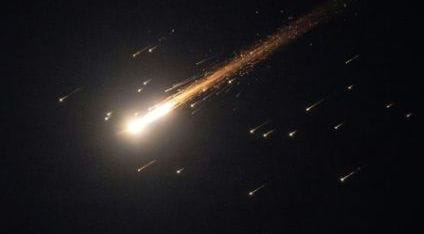
Iran has launched a fresh wave of ballistic missile and drone attacks on several Gulf states, triggering air raid sirens across the region on Thursday morning.
The strikes came barely a day after the United Nations Human Rights Council adopted a resolution condemning Tehran’s actions and demanding an immediate end to the violence.
In the United Arab Emirates, two people were killed and three others injured when debris from an intercepted missile crashed onto Sweihan Road in Abu Dhabi. The attack also damaged several vehicles, the Abu Dhabi Government Media Office confirmed. The victims are yet to be publicly identified.
UAE authorities had issued two safety alerts on Thursday – at 3am and 8:10am – as the country continues to face the highest number of Iranian strikes. Official figures show Tehran has fired more than 2,100 missiles and drones at the UAE alone as of Wednesday.
Sirens also sounded across Bahrain early Thursday, hours after civil defence teams put out a fire in Muharraq caused by an earlier Iranian strike.
Saudi Arabia reported intercepting several drones heading towards its oil-rich eastern province, while Kuwait’s Defence Ministry said loud explosions heard nationwide were from its forces successfully downing incoming missiles and drones.
NaijaChoice News has monitored the rapidly unfolding crisis, which is raising fresh fears over regional stability and its ripple effects on global oil supply.
Six Arab nations – the UAE, Qatar, Saudi Arabia, Kuwait, Bahrain and Jordan – issued a strongly worded joint statement on Wednesday. They condemned both Iran’s direct attacks and those launched by Iran-backed armed groups operating from Iraqi territory.
The countries called on the Iraqi government to immediately stop militias and sleeper cells from using its soil to launch strikes against neighbours. They also denounced activities linked to Hezbollah and other pro-Iran networks destabilising the wider region.
The latest escalation follows reports that Iran-backed Iraqi militias began firing drones and rockets at US-linked targets inside Iraq soon after American and Israeli forces struck Iran on February 28. Those militia attacks have hit military bases, diplomatic missions, hotels, oilfields, refineries and residential areas, killing dozens of fighters.
Neither the United States nor Israel has claimed responsibility for the counter-strikes on the Iraqi militia positions.
Analysts say the conflict, already claiming lives and damaging infrastructure, could push oil prices higher – a development that may worsen Nigeria’s already strained fuel subsidy removal pains and foreign exchange challenges.
We’ve got the edge. Get real-time reports, breaking scoops, and exclusive angles delivered straight to your phone. Don’t settle for stale news. Join NaijaChoice NEWS on WhatsApp for 24/7 updates →
Join Our WhatsApp Channel