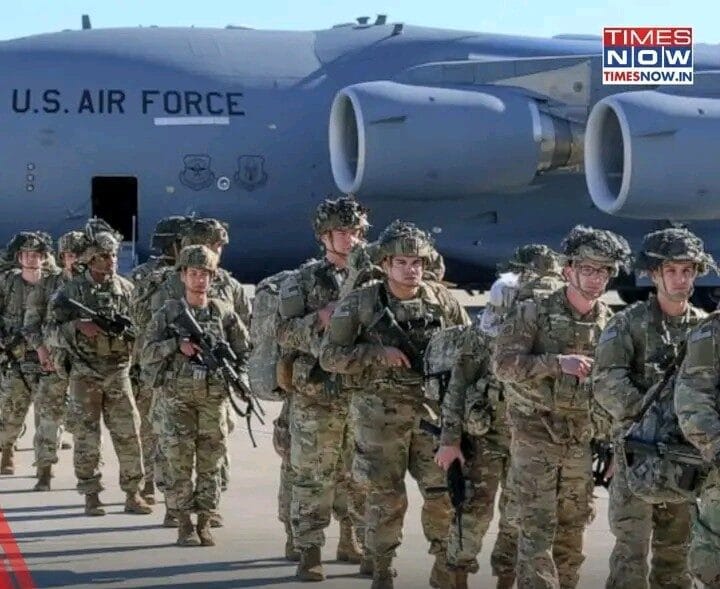
Iranian missile and drone attacks have left at least 13 American military bases across the Gulf badly damaged or uninhabitable, forcing thousands of US troops to relocate to hotels and civilian office spaces.
Military officials and American sources told The New York Times that the strikes, launched in retaliation for US-Israeli operations against Iran, have turned large parts of the land-based American presence into what insiders now call a “remote war.” Fighter pilots and air crews remain at functioning airfields, but ground forces are coordinating strikes and logistics from makeshift locations.
The damage is estimated at around $800 million in the first two weeks alone, according to analysis by the Center for Strategic and International Studies. Bases hit include Al Udeid in Qatar, Ali Al Salem in Kuwait, Al Dhafra in the UAE, and facilities in Bahrain, Jordan and Saudi Arabia.
NaijaChoice News has monitored the rapid escalation and its direct impact on global energy markets. With Iran threatening to disrupt shipping through the Strait of Hormuz, Brent crude surged past $117 per barrel this week.
In Nigeria, the fallout is immediate. Petrol prices have climbed to between N1,200 and N1,500 per litre in many parts of the country, with some dealers warning of further increases if the conflict drags on. The Dangote Refinery recently adjusted its pump price to N1,175 per litre, reflecting the spike in crude costs.
Economists and industry leaders say the situation presents Nigeria with a double-edged sword. Higher oil export earnings could deliver a much-needed fiscal windfall for the government. Yet the same price surge is driving up the cost of imported refined products, worsening inflation and transport fares already squeezing households.
Stakeholders are calling for urgent government intervention. Labour unions and private sector groups have urged authorities to deploy targeted palliatives and avoid repeating past mistakes of leaving citizens to bear the full brunt of global shocks.
Security analysts in Abuja note that prolonged instability in the Middle East could also affect Nigeria’s diplomatic and trade ties in the region, where many Nigerians live and work.
As the US adapts to dispersed operations from civilian sites, questions are mounting about the long-term vulnerability of its forward bases. For Nigeria, the priority remains clear: managing the energy price storm while positioning to benefit from elevated crude revenues.
We’ve got the edge. Get real-time reports, breaking scoops, and exclusive angles delivered straight to your phone. Don’t settle for stale news. Join NaijaChoice NEWS on WhatsApp for 24/7 updates →
Join Our WhatsApp Channel