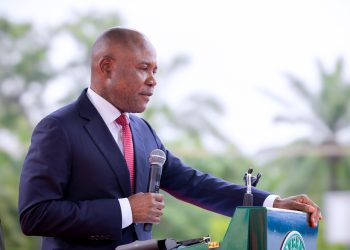
Lagos, Nigeria – The Sea Empowerment and Research Center (SEREC), a prominent maritime policy think tank, has issued a stark warning about the economic and security ramifications of the ongoing war between the United States, Israel, and Iran for African nations, particularly those reliant on global trade routes. In a detailed communiqué signed by SEREC’s Head of Research, Eugene Nweke, the center highlighted how the conflict, now in its second week, could exacerbate inflation, currency depreciation, and maritime instability across the continent.
The war erupted on February 28, 2026, with joint US-Israeli airstrikes targeting Iranian military infrastructure, including air defenses and missile facilities. US President Donald Trump has escalated rhetoric, demanding Iran’s “unconditional surrender” and ruling out negotiations unless Tehran fully capitulates. Iranian Foreign Minister Abbas Araghchi has rebuffed cease-fire talks, stating Iran is prepared for a potential US ground invasion. The conflict has already widened, with strikes extending to Tehran, Lebanon, and other sites, while Russia provides intelligence support to Iran.
SEREC’s statement emphasizes that African countries, many of which depend heavily on imports for essential goods, face imminent economic pressures from disrupted global trade. “Prolonged instability could lead to volatile oil prices, higher freight charges, and increased war-risk insurance premiums for vessels,” Nweke noted. This, he warned, would intensify global inflationary pressures, hitting import-dependent economies hardest.
Research corroborates these fears. Oil prices have surged past $90 per barrel, the highest since 2024, amid threats to the Strait of Hormuz—a critical chokepoint for 20% of global petroleum flows. The effective closure of this strait, driven by insurance withdrawals and heightened risks rather than a physical blockade, has created a dual-chokepoint crisis alongside Houthi disruptions in the Red Sea. For Africa, this translates to skyrocketing energy costs, food price hikes, and supply chain bottlenecks. The African Union and ECOWAS have echoed these concerns, predicting serious implications for energy markets, food security, and economic resilience.
Nigeria, Africa’s largest economy and a major oil exporter, stands particularly vulnerable. Despite its crude production, the country imports most refined fuels, leaving it exposed to global price swings. Experts predict that sustained conflict could trigger stagflation—high inflation coupled with sluggish growth—reminiscent of the 1970s oil shocks. Inbound remittances from Nigerians in the Gulf, equivalent to foreign direct investment levels, are also at risk amid air travel chaos and regional instability. As previously reported by NaijaChoice News, tensions between the US and Iran have been simmering, with Iran preparing ballistic missile attacks on Israel as far back as October 2024, underscoring the long-building geopolitical rift.
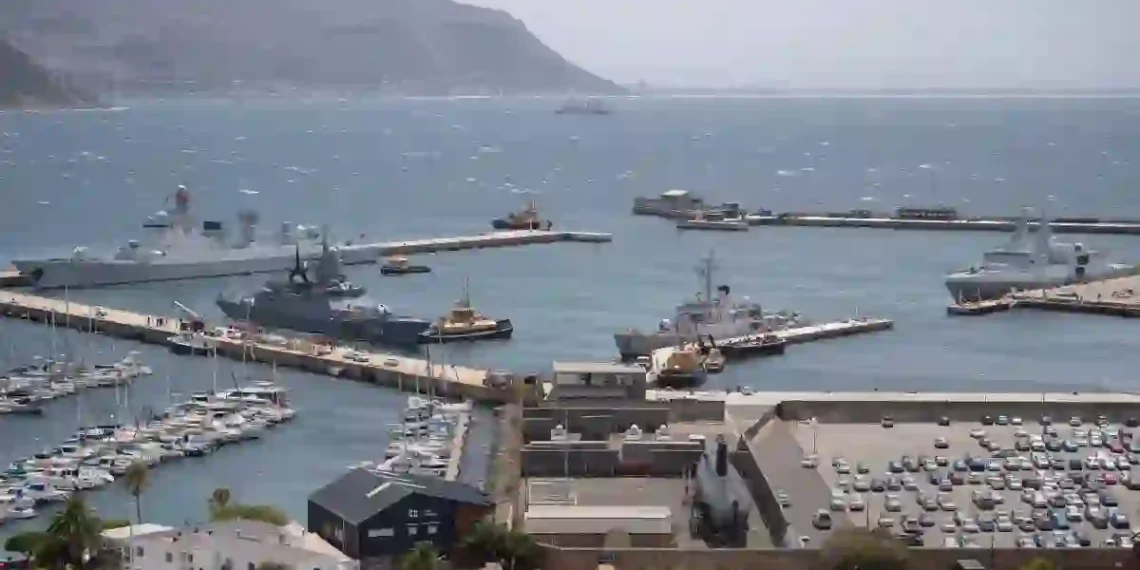
Beyond economics, SEREC cautions about deteriorating maritime security. If tensions escalate, shipping routes could become unstable, necessitating enhanced naval cooperation among African states. The Gulf of Guinea, already plagued by piracy and armed robbery, could see a spike in incidents. In 2025, piracy attacks rose in the region, with Nigerian riverine groups driving nearshore threats and organized networks conducting kidnappings up to 100 nautical miles offshore. The US-Iran war’s ripple effects, including diverted shipping around the Cape of Good Hope, could strain local surveillance efforts. SEREC urges Nigeria and regional partners to bolster cooperation through frameworks like the Yaoundé Architecture to protect key trade corridors.
To mitigate these shocks, SEREC recommends prudent use of oil windfall revenues. “Invest in economic stabilization measures and infrastructure development rather than recurrent spending,” the communiqué advises. Key proposals include ensuring consistent crude supply to domestic refineries, expanding strategic petroleum reserves, and promoting regional trade integration to reduce reliance on extra-African routes. The center stresses that Nigeria’s resilience hinges on fiscal discipline, improved refining capacity—such as leveraging the Dangote Refinery—and diversified partnerships.
Without these steps, SEREC warns, major projects like Dangote could underperform amid external pressures. Egypt has already lost billions in Suez Canal revenues due to related conflicts, a precedent Africa cannot ignore. The war’s broader fallout includes potential Islamist violence surges in the Sahel as Iran redirects resources, forcing African states to seek alternatives from Russia or Turkey.
Nigerian officials have voiced similar alarms. The Ministry of Foreign Affairs highlighted risks to global energy markets, while experts predict naira depreciation and higher living costs. Social media discussions, including posts from prominent figures like Bashir Ahmad, underscore the global ripple: “The impact… will ripple across the globe, affecting virtually every region, including Africa.”
In conclusion, SEREC frames the US-Iran confrontation as a “significant stress test for global trade and maritime systems.” Nigeria’s ability to weather this storm depends on coordinated policies and maritime competitiveness. As the conflict evolves—with US forces advancing to target Iranian defense assets—African leaders must act swiftly to safeguard economies and seas. Failure to do so could turn geopolitical tensions into a continental crisis.
We’ve got the edge. Get real-time reports, breaking scoops, and exclusive angles delivered straight to your phone. Don’t settle for stale news. Join NaijaChoice NEWS on WhatsApp for 24/7 updates →
Join Our WhatsApp Channel